About the Project
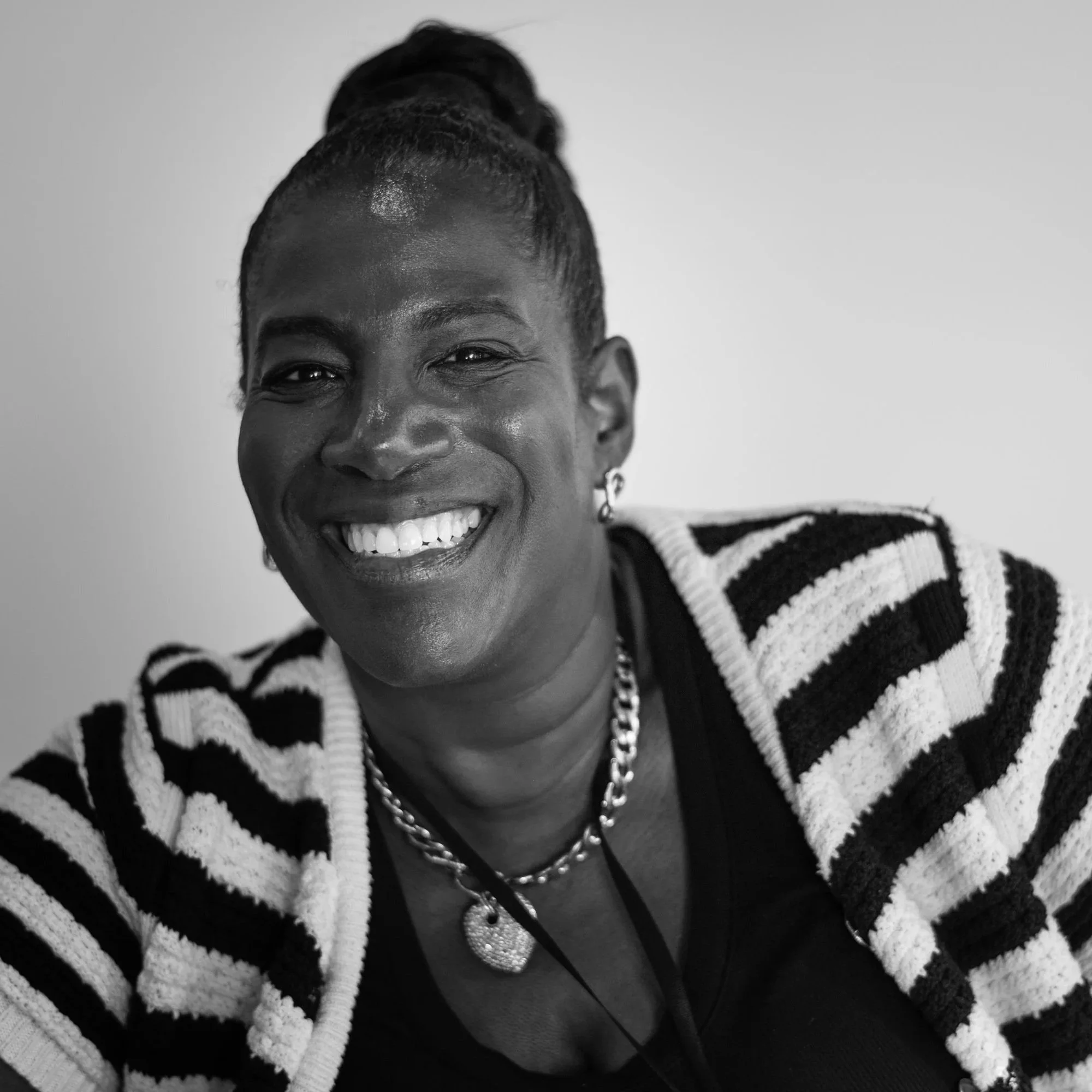
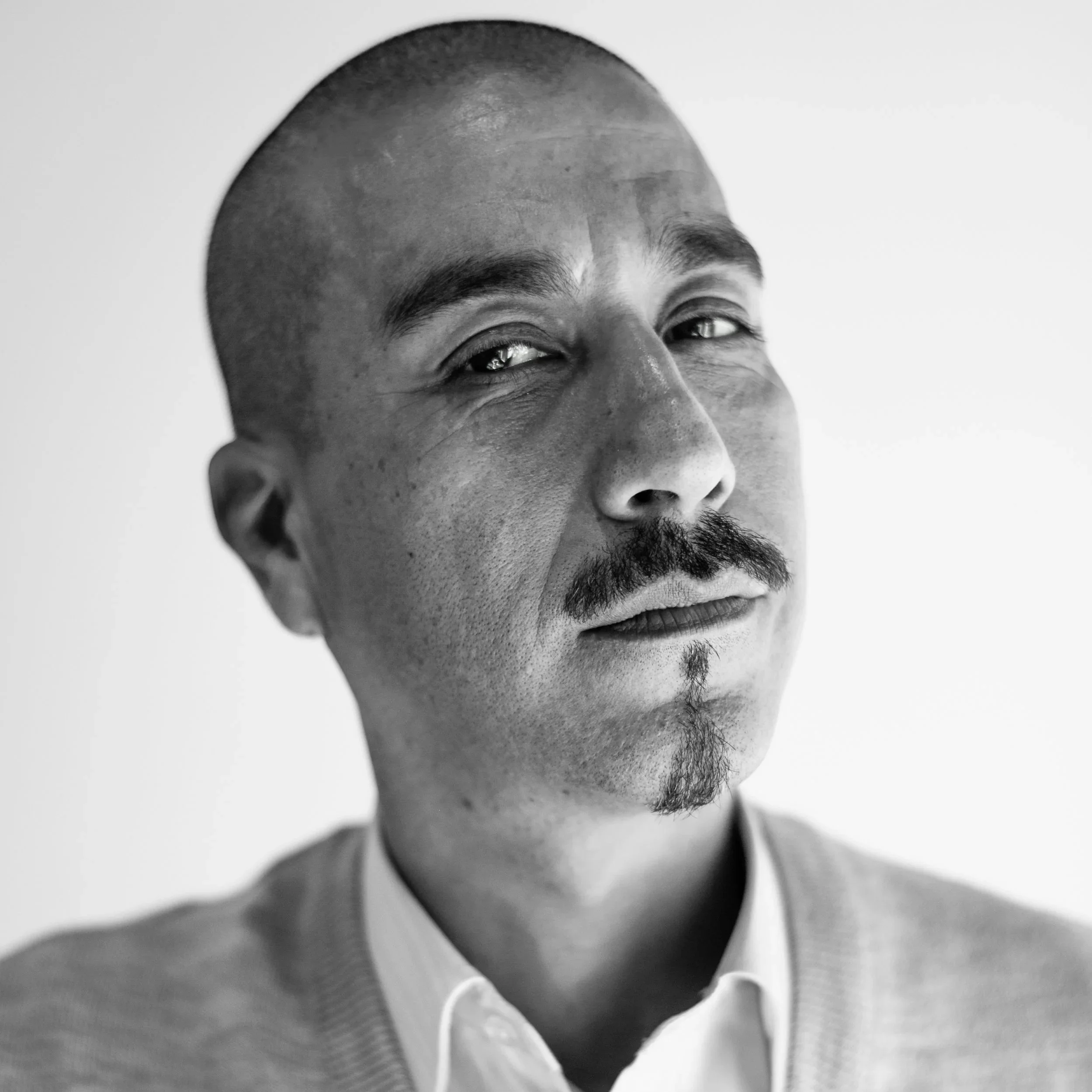
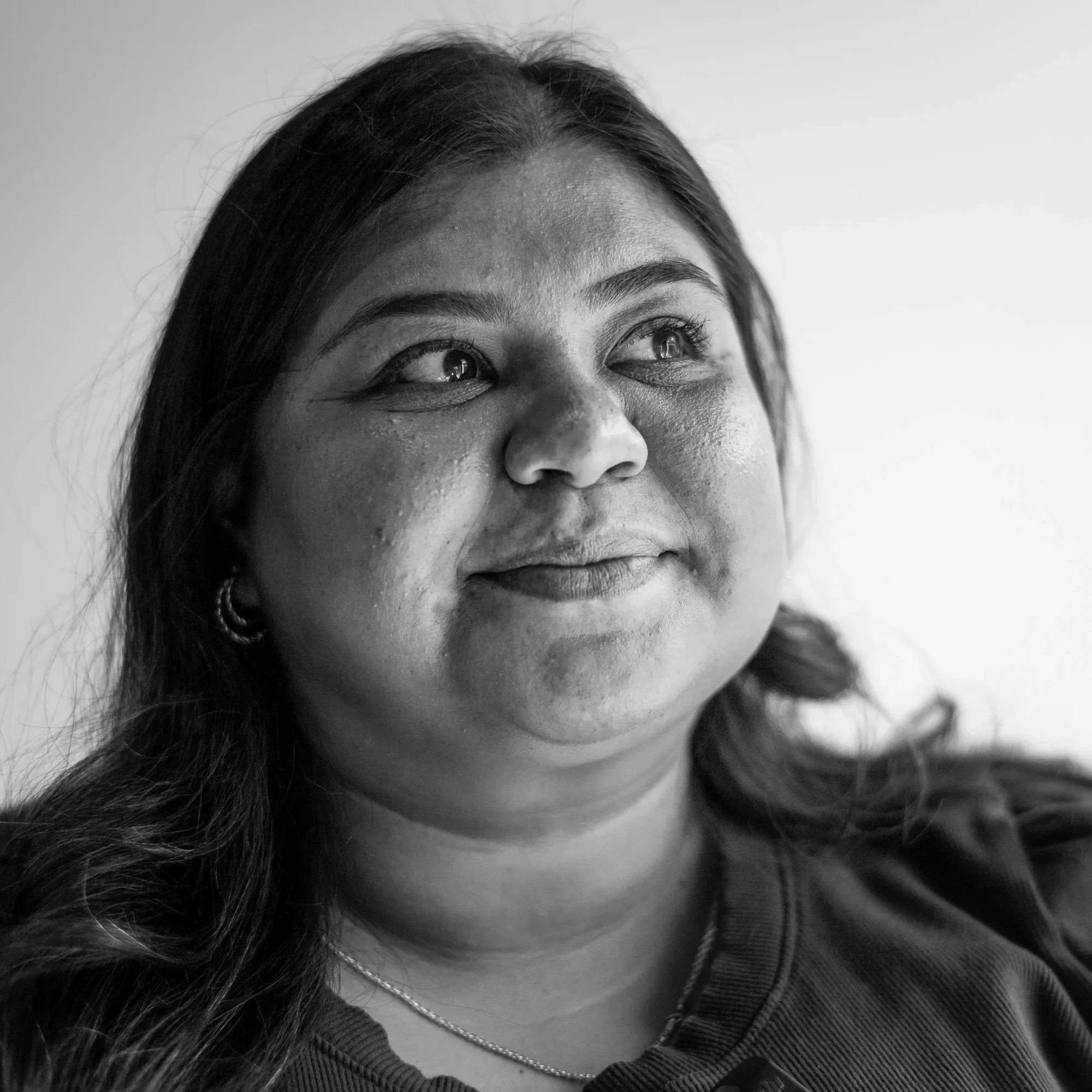
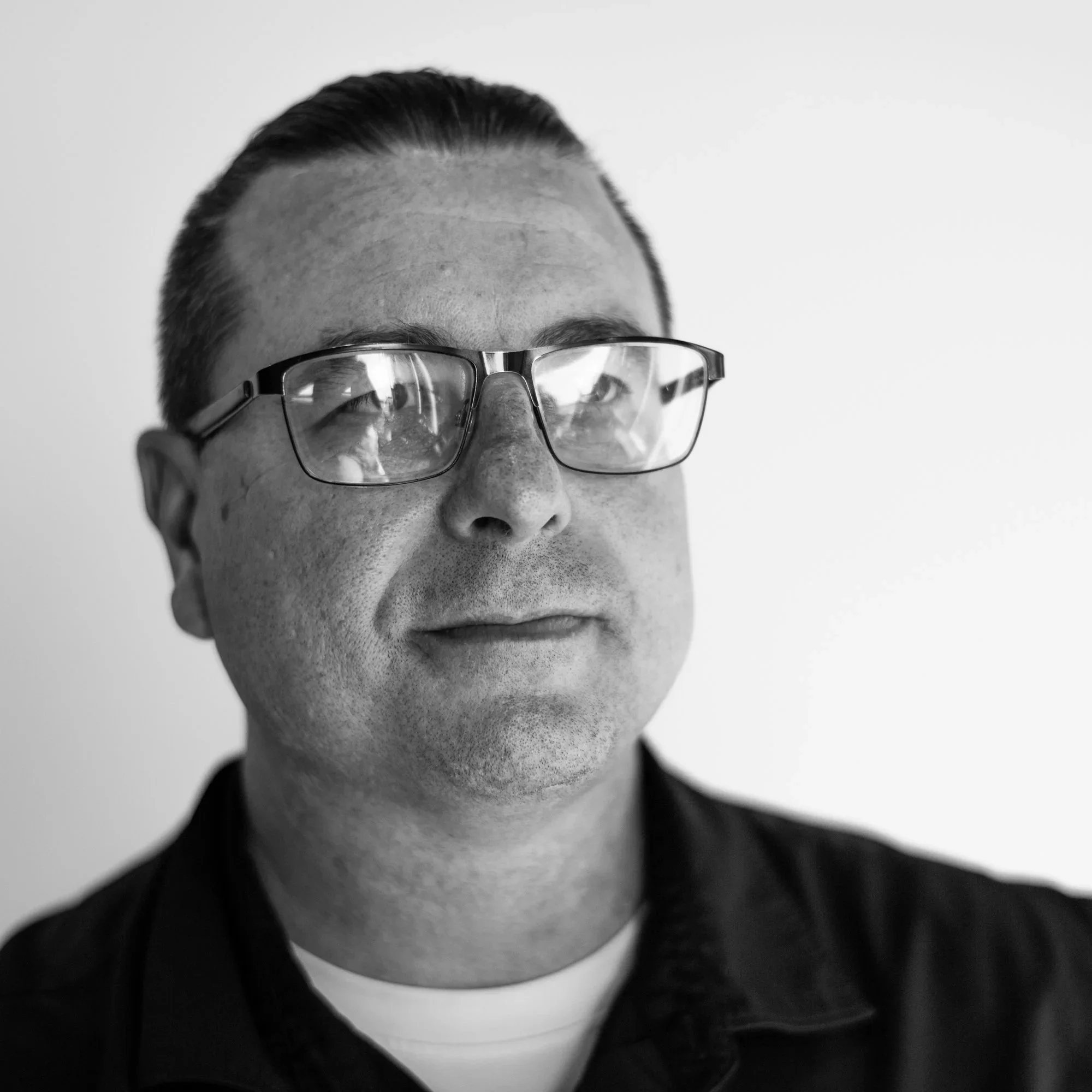
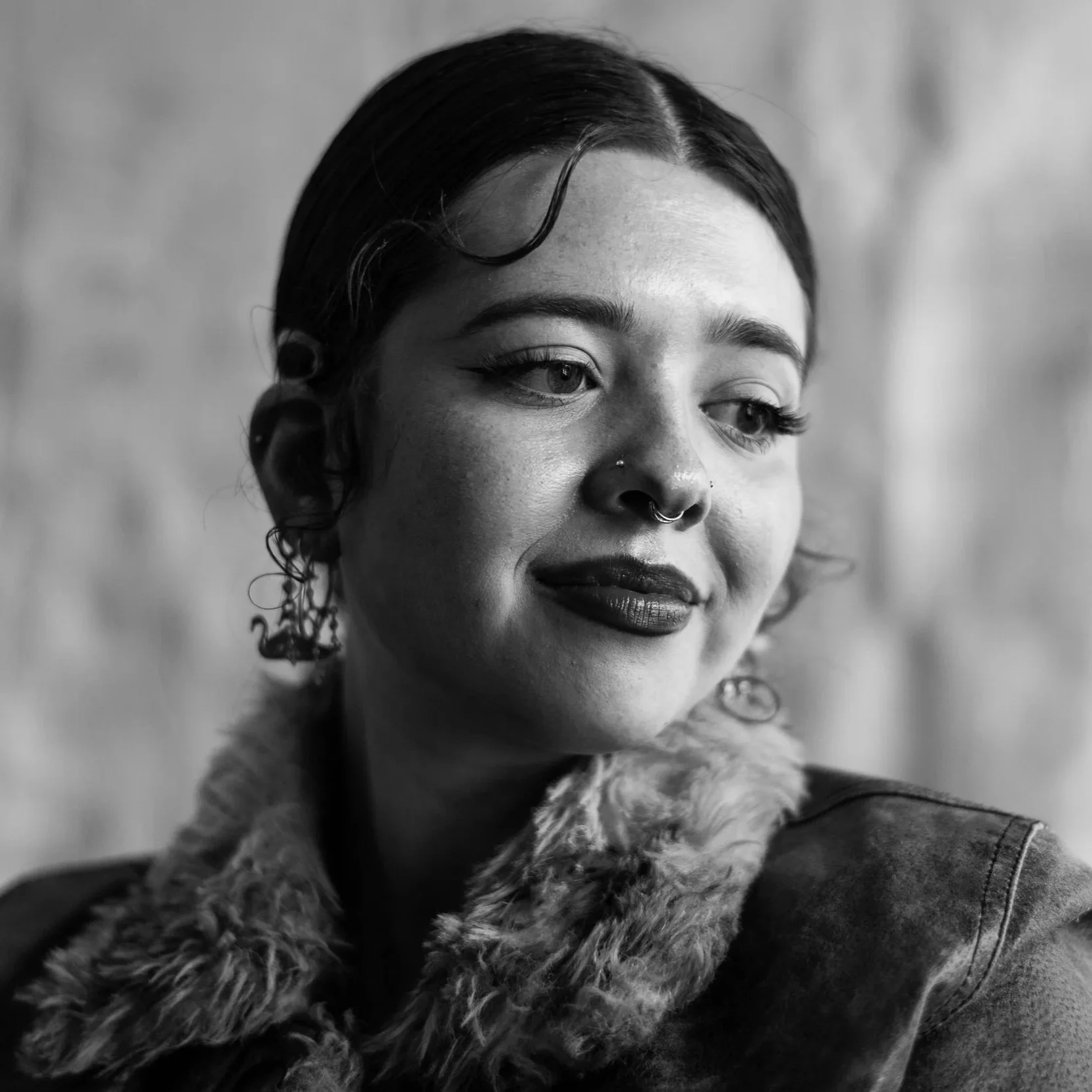
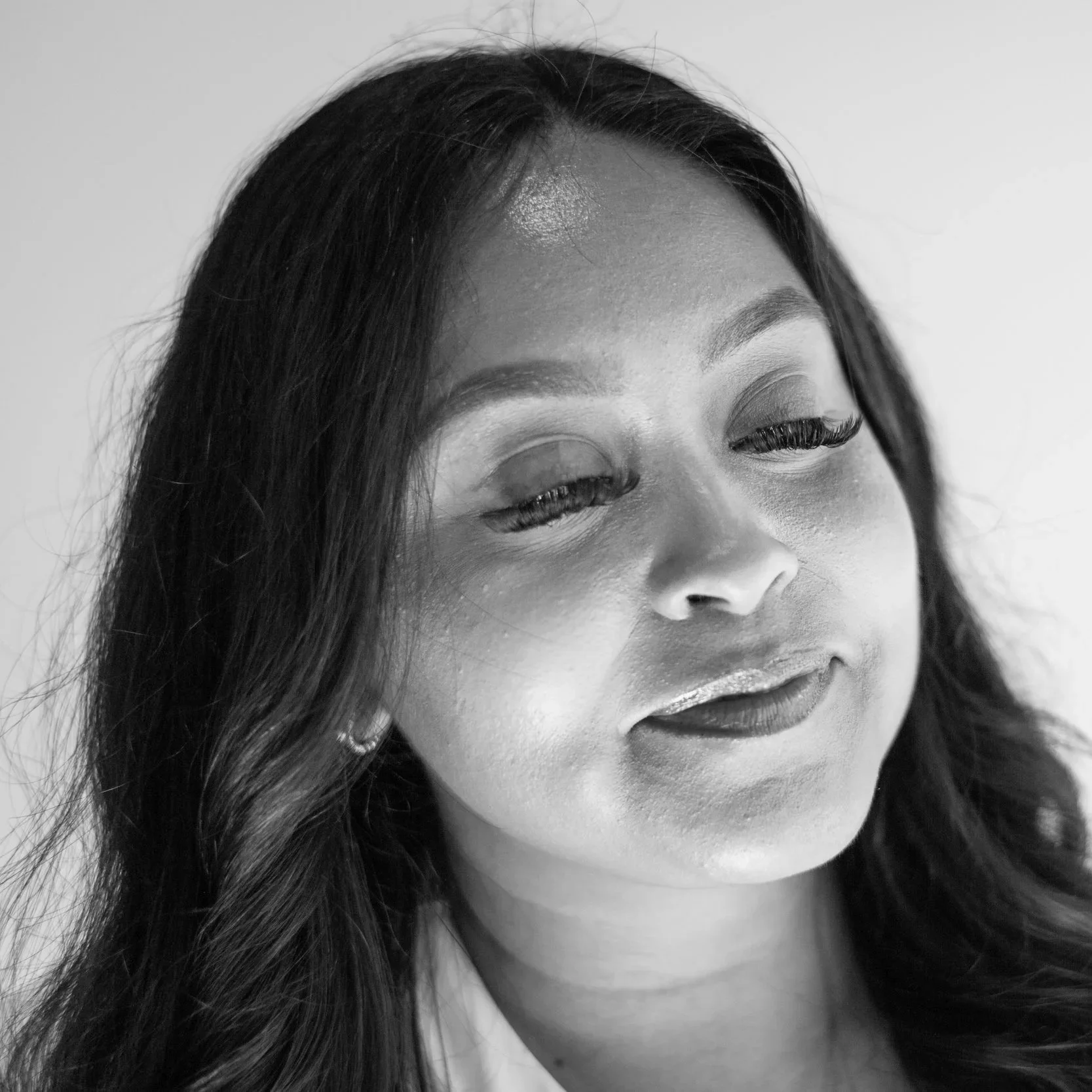
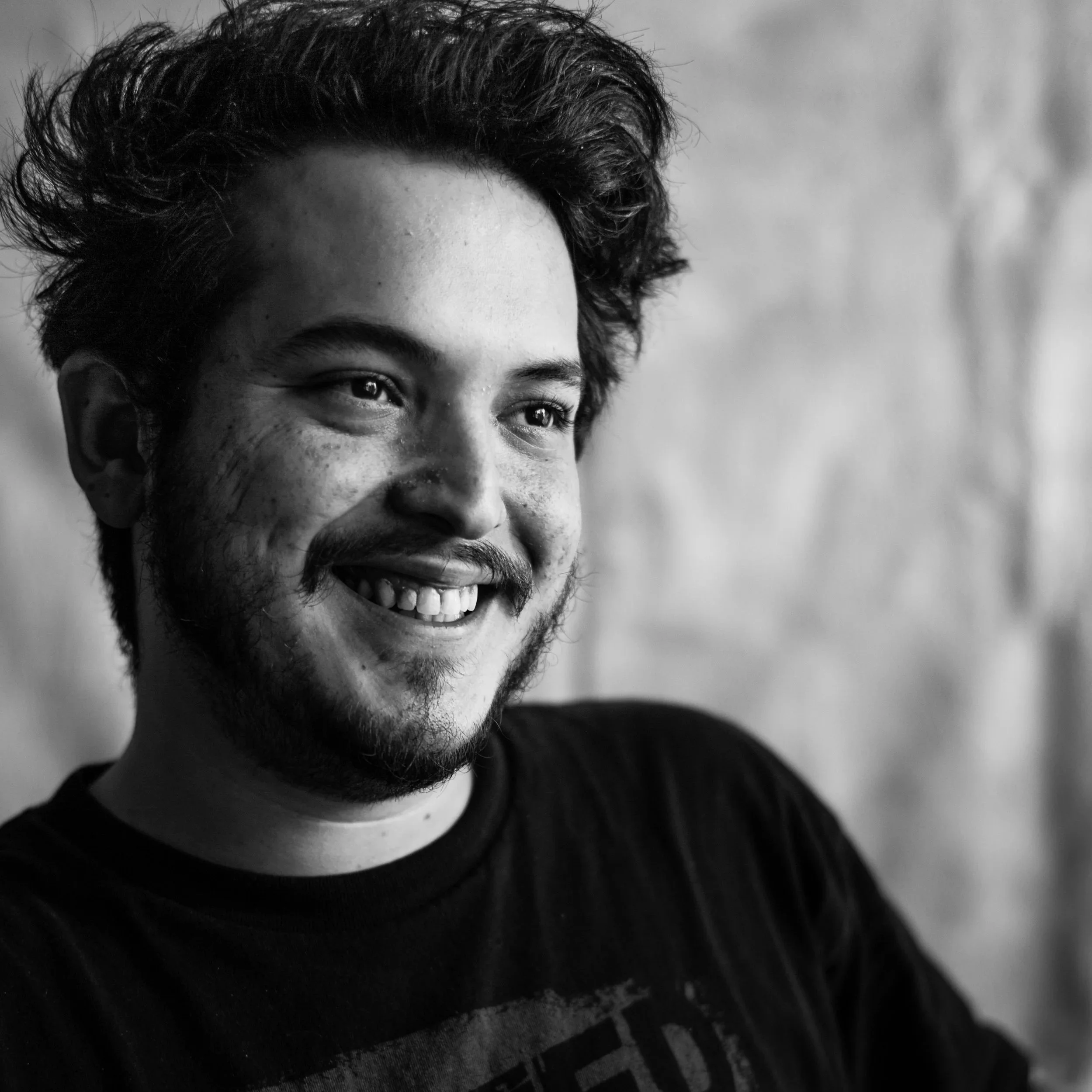
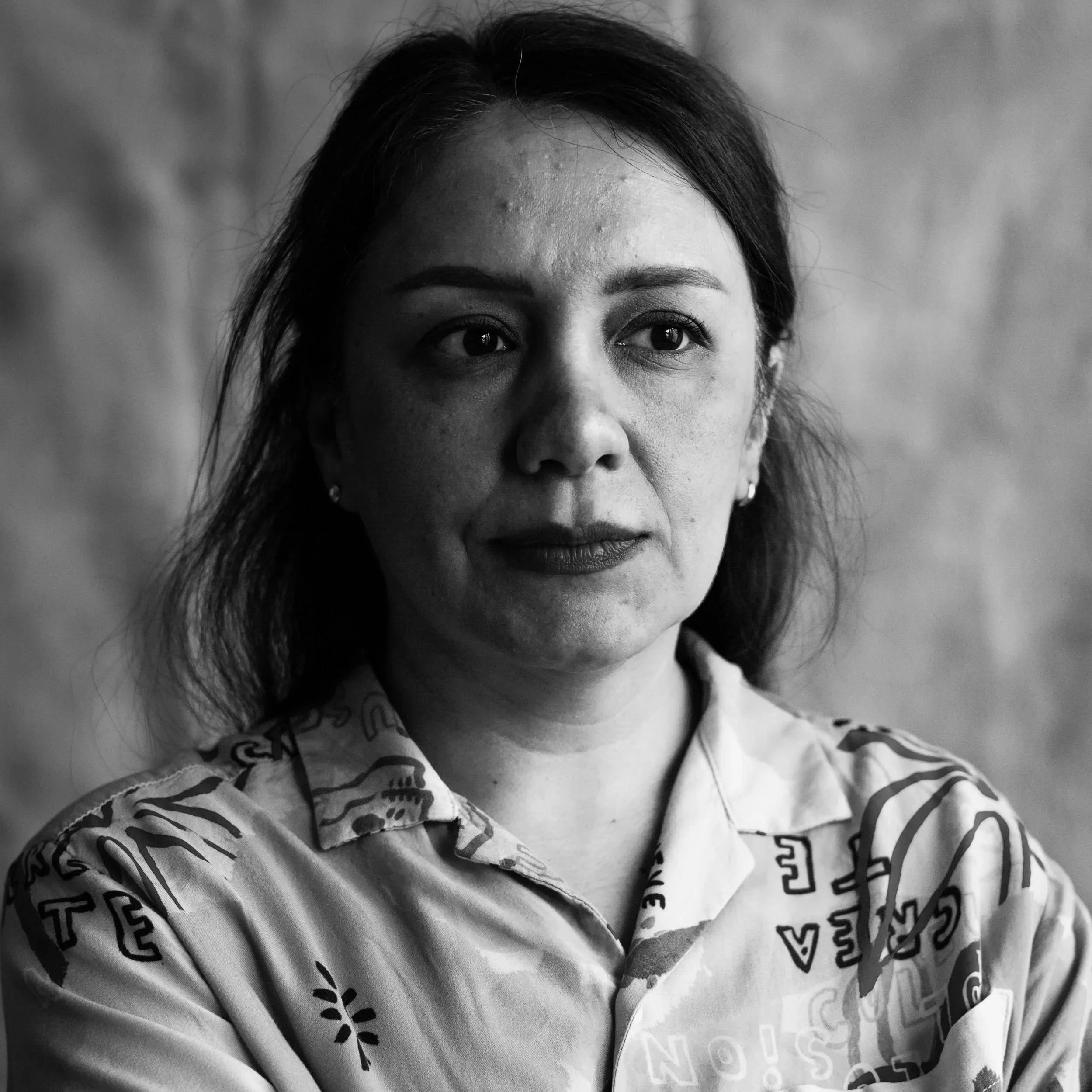
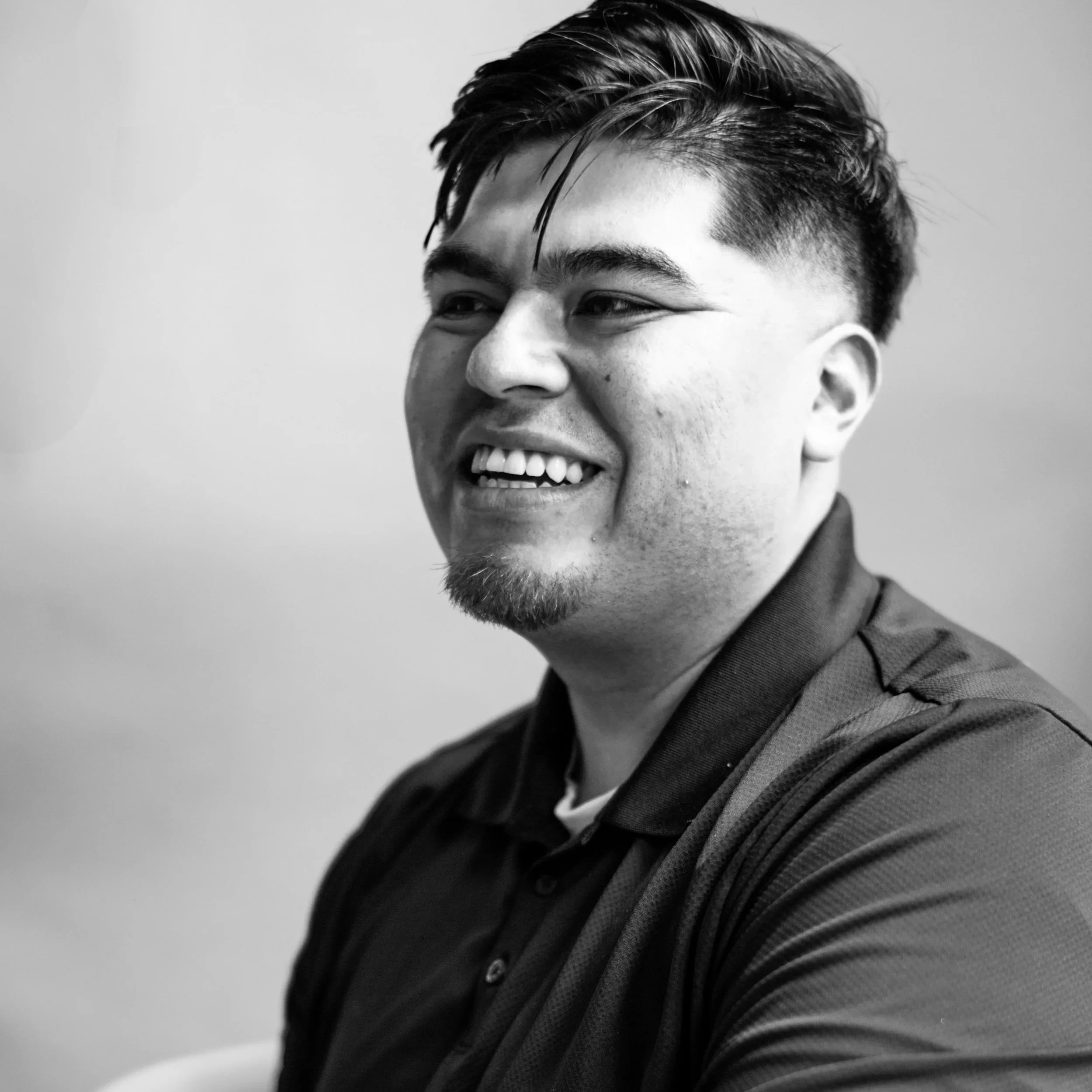
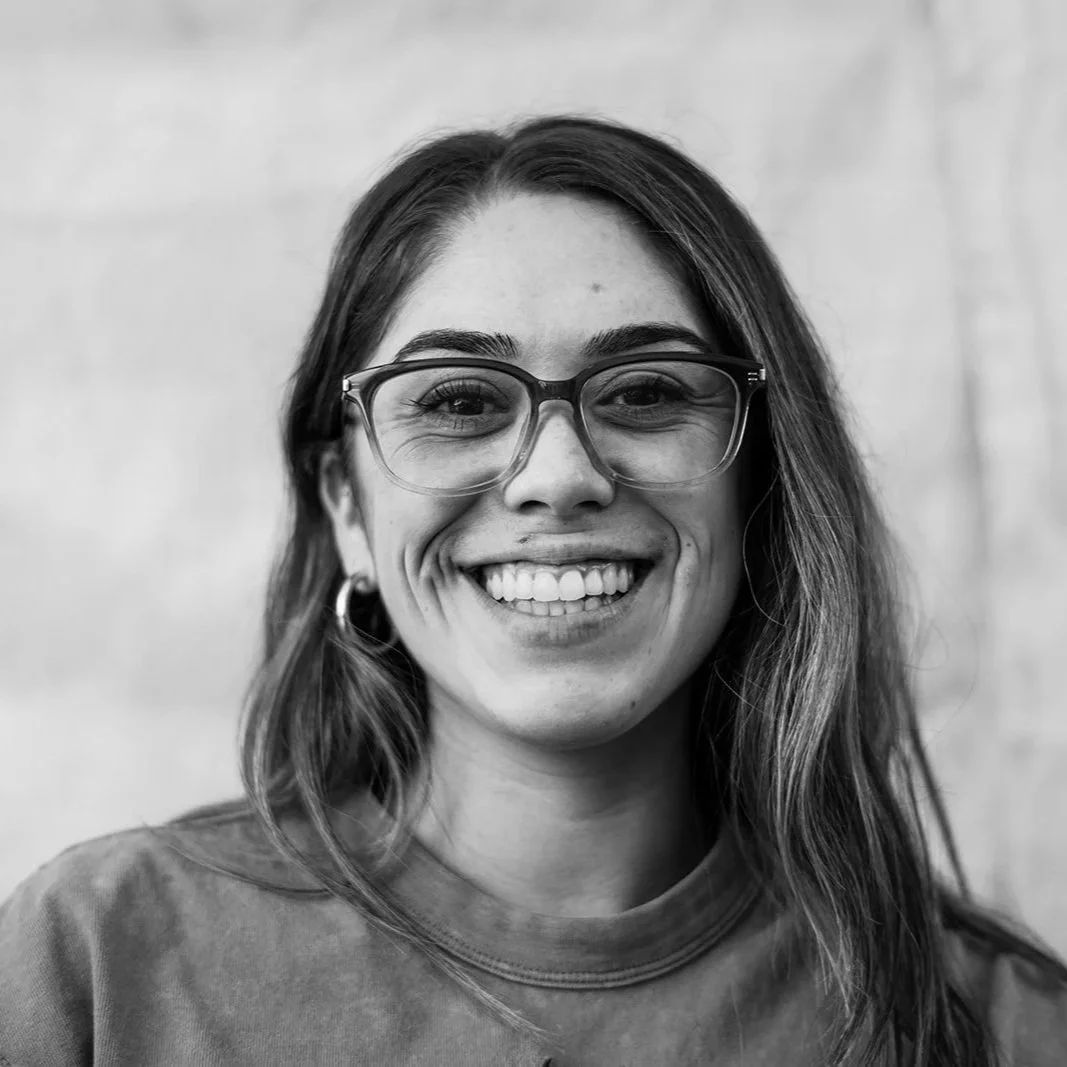
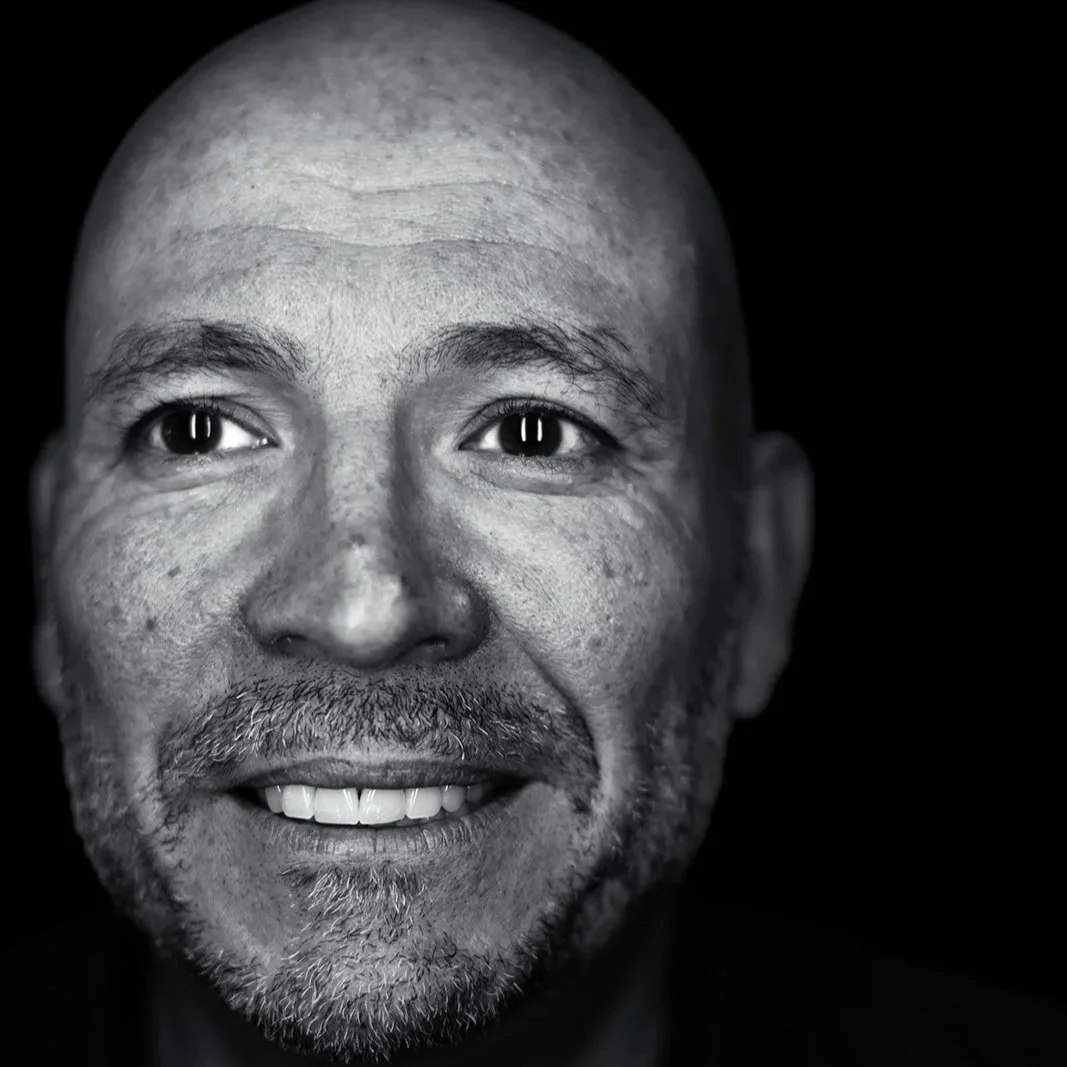
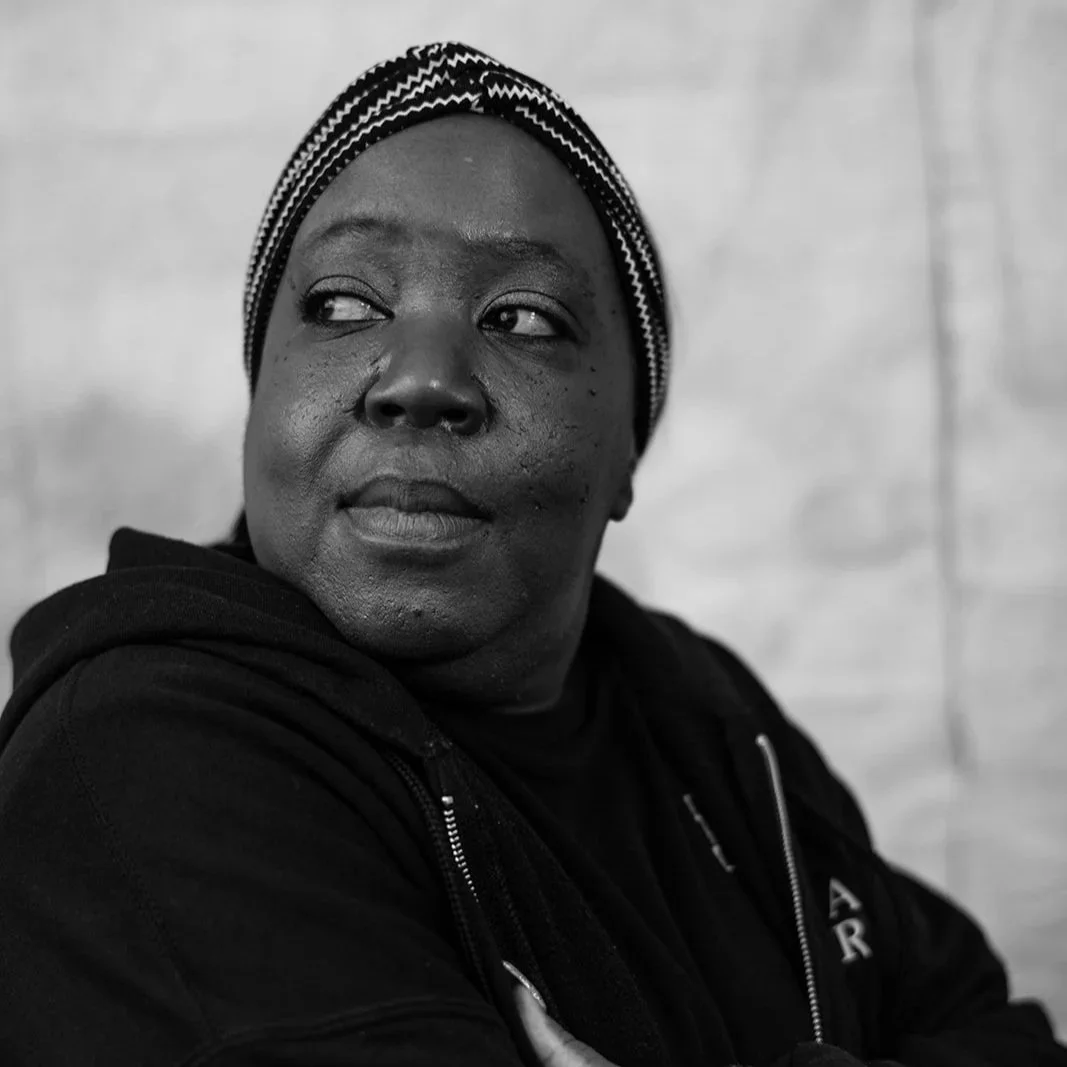
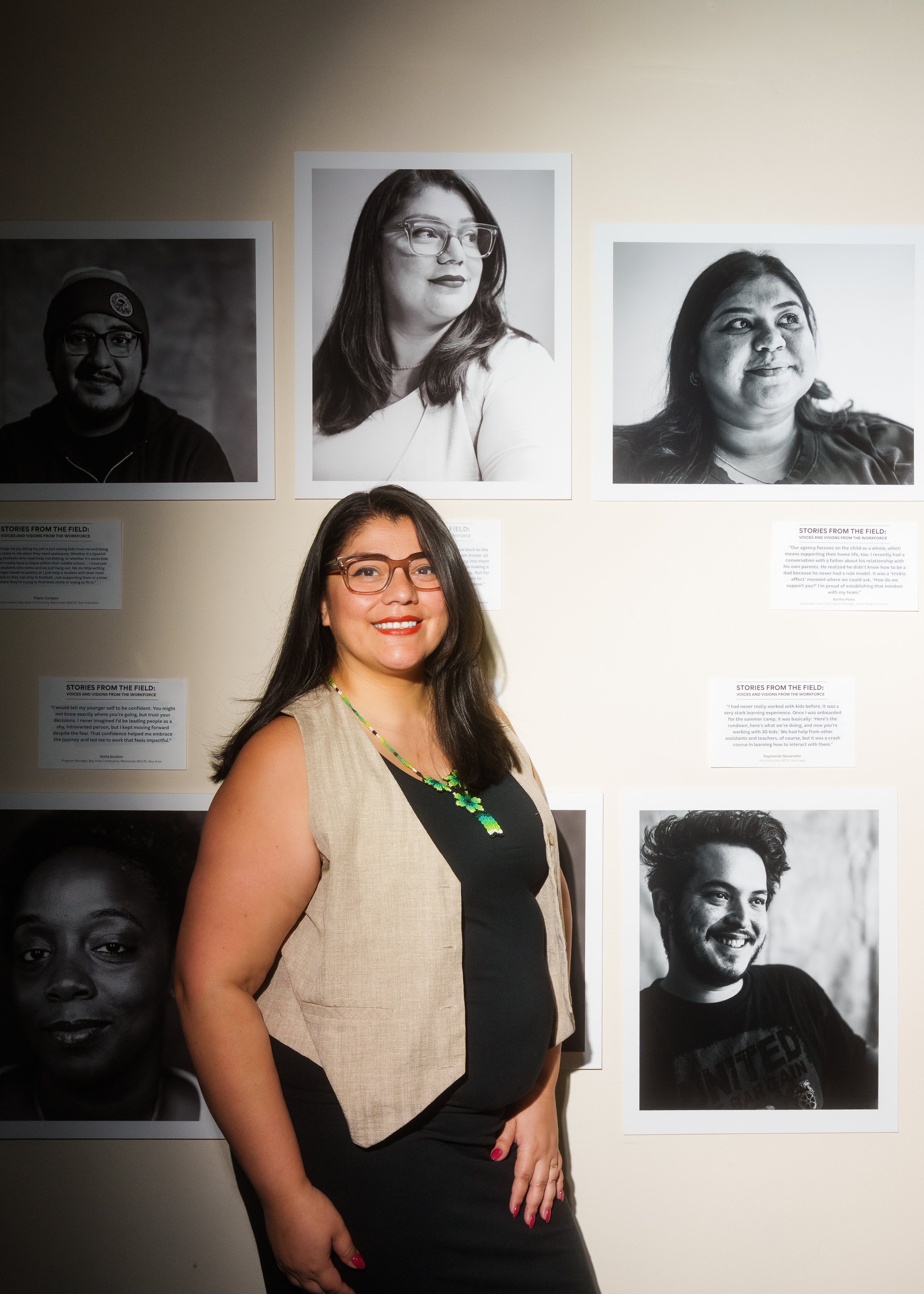
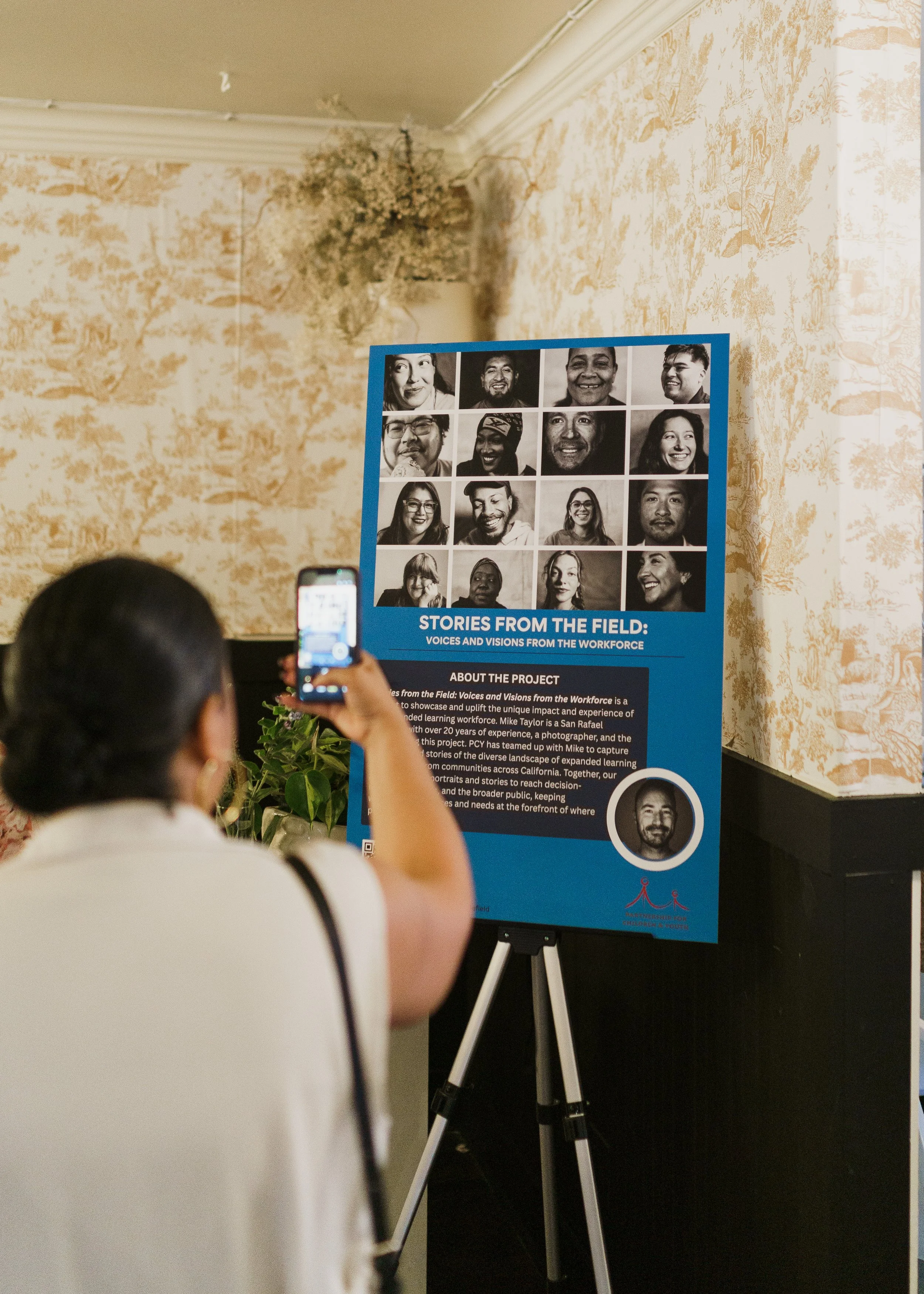
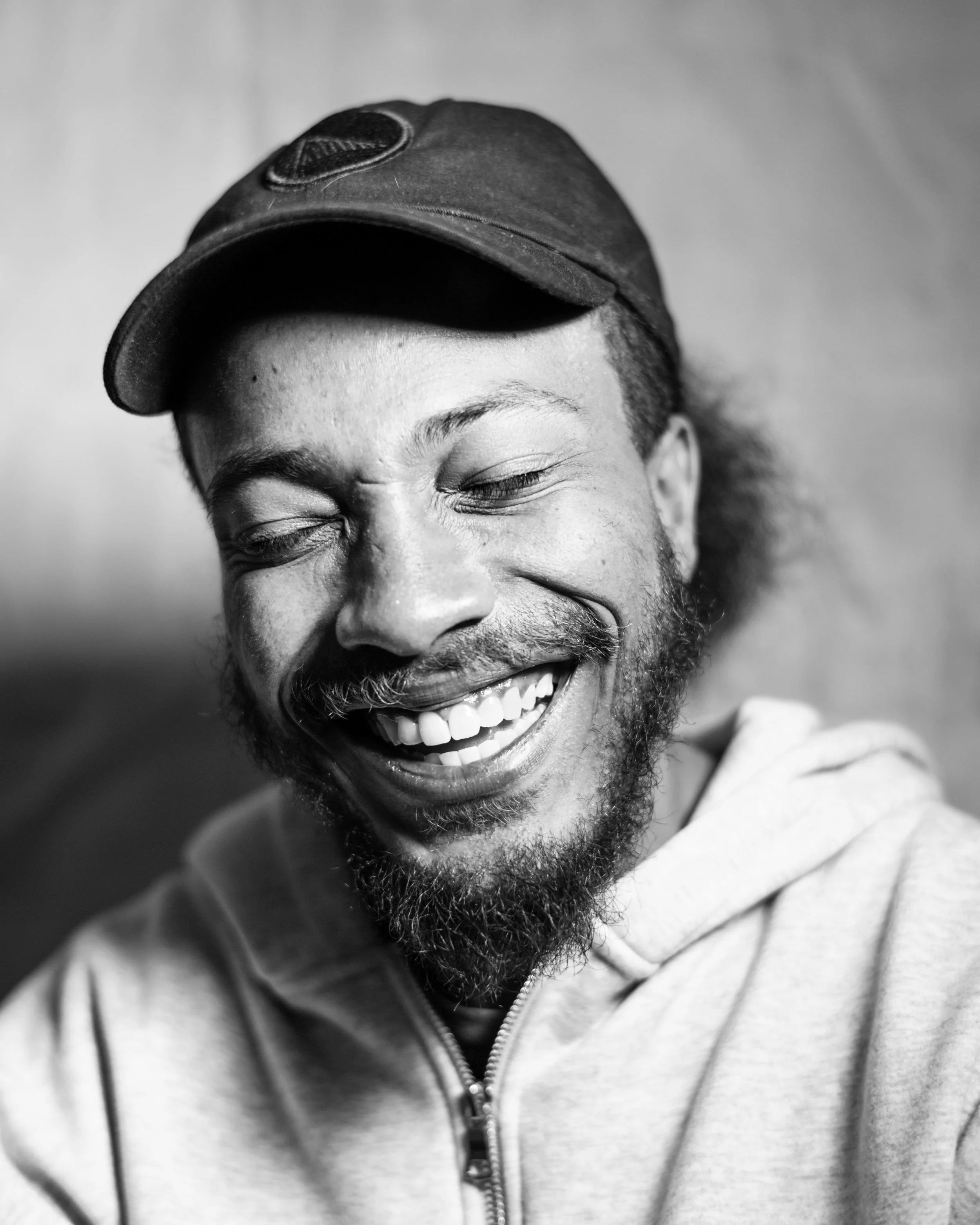
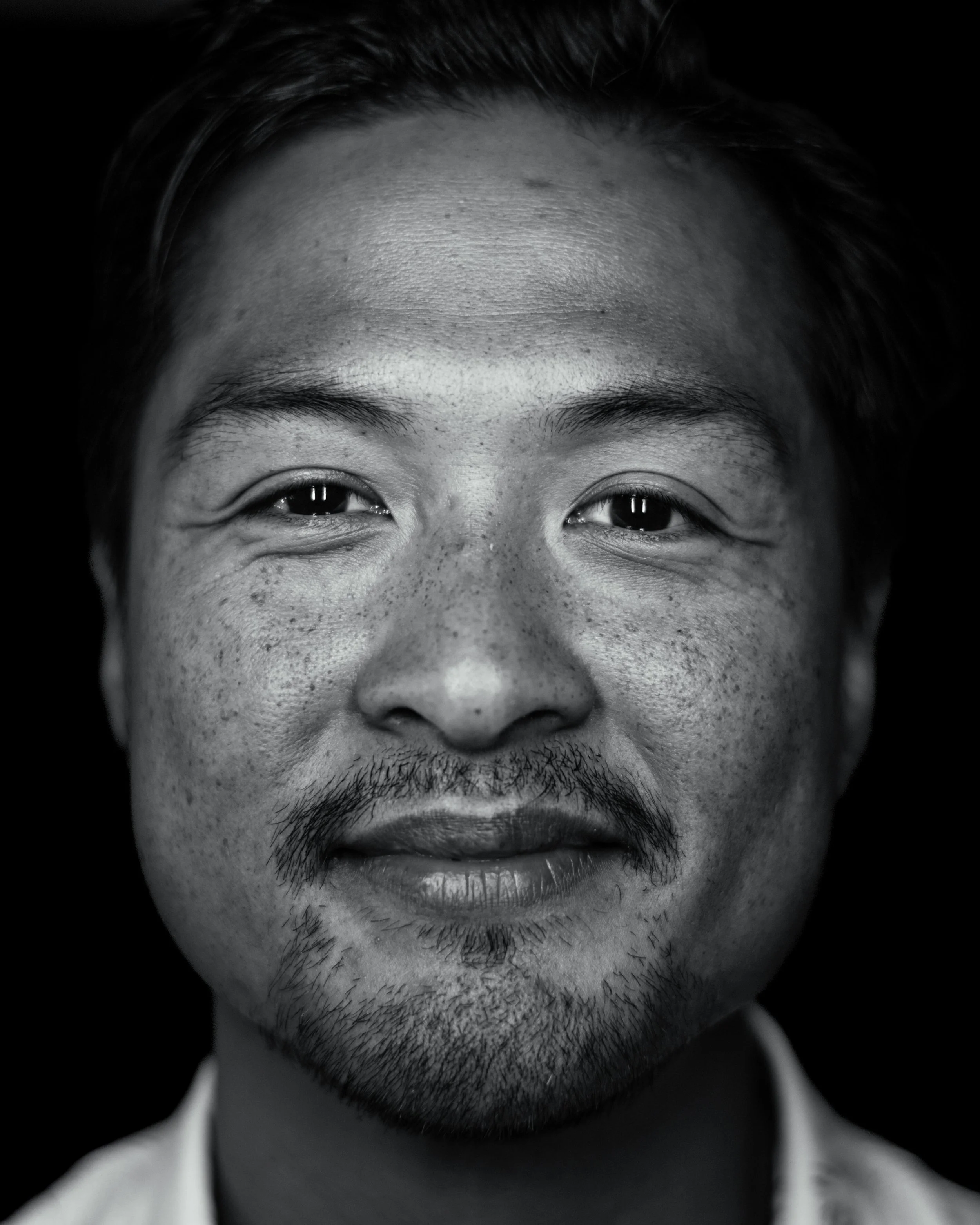
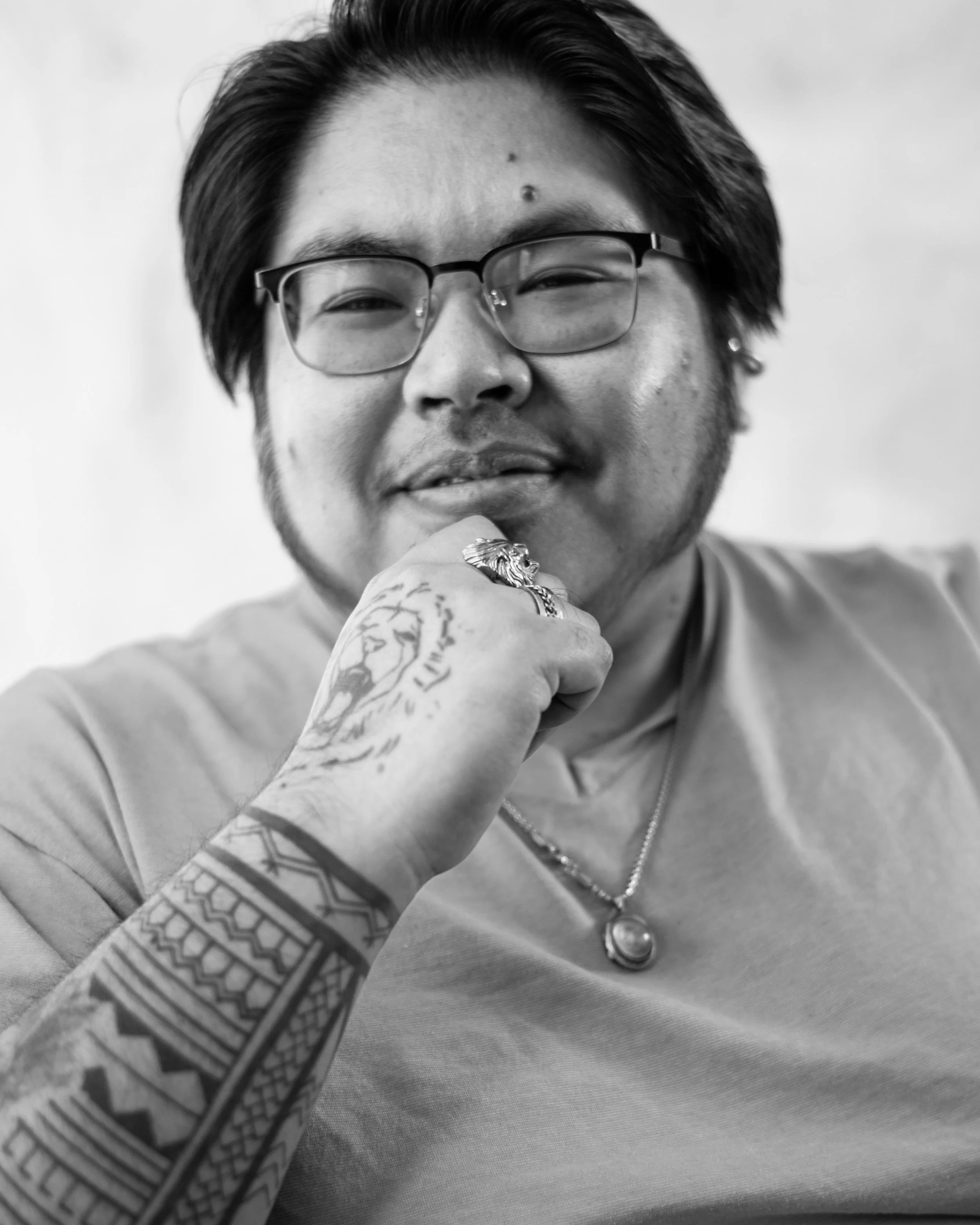
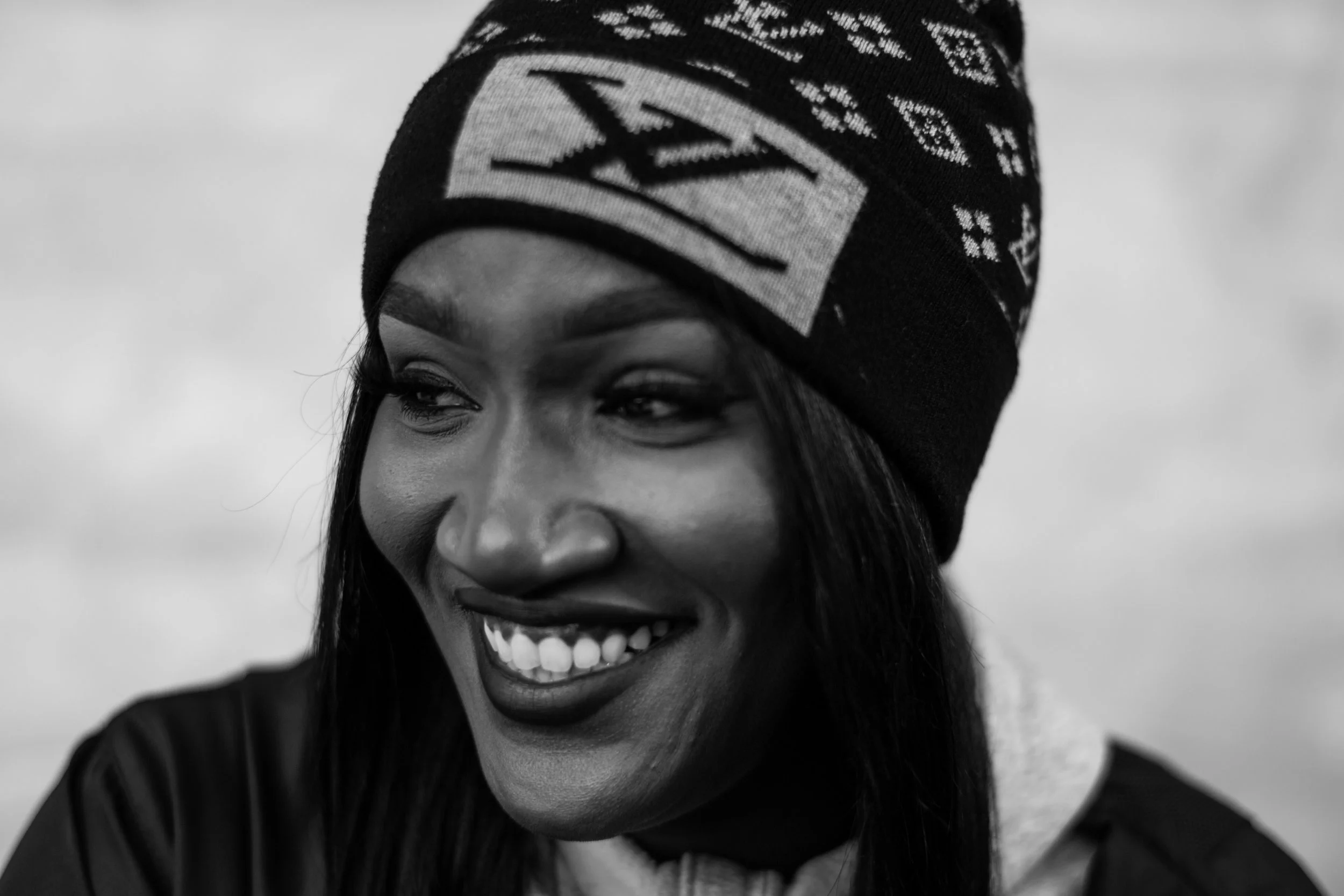
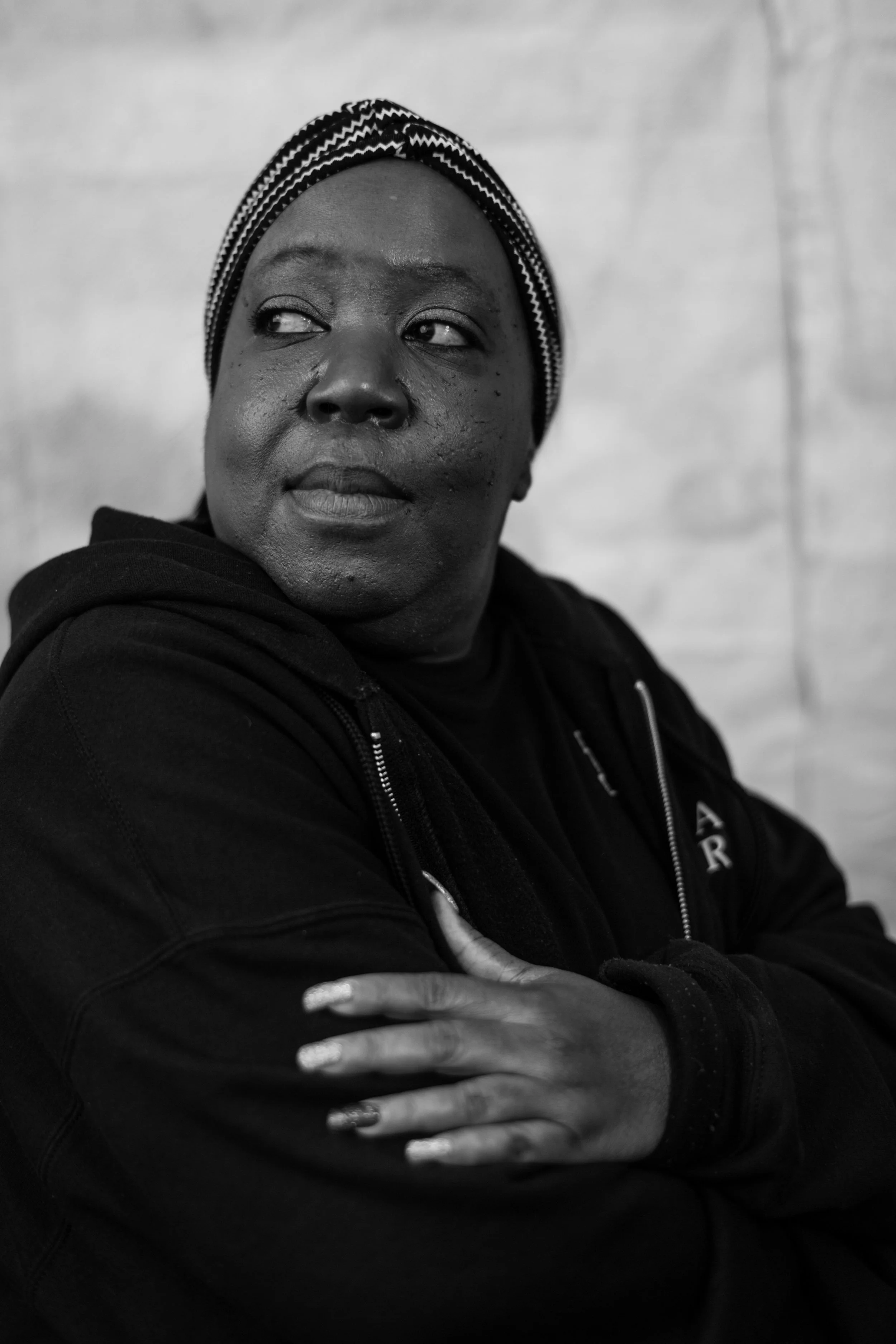
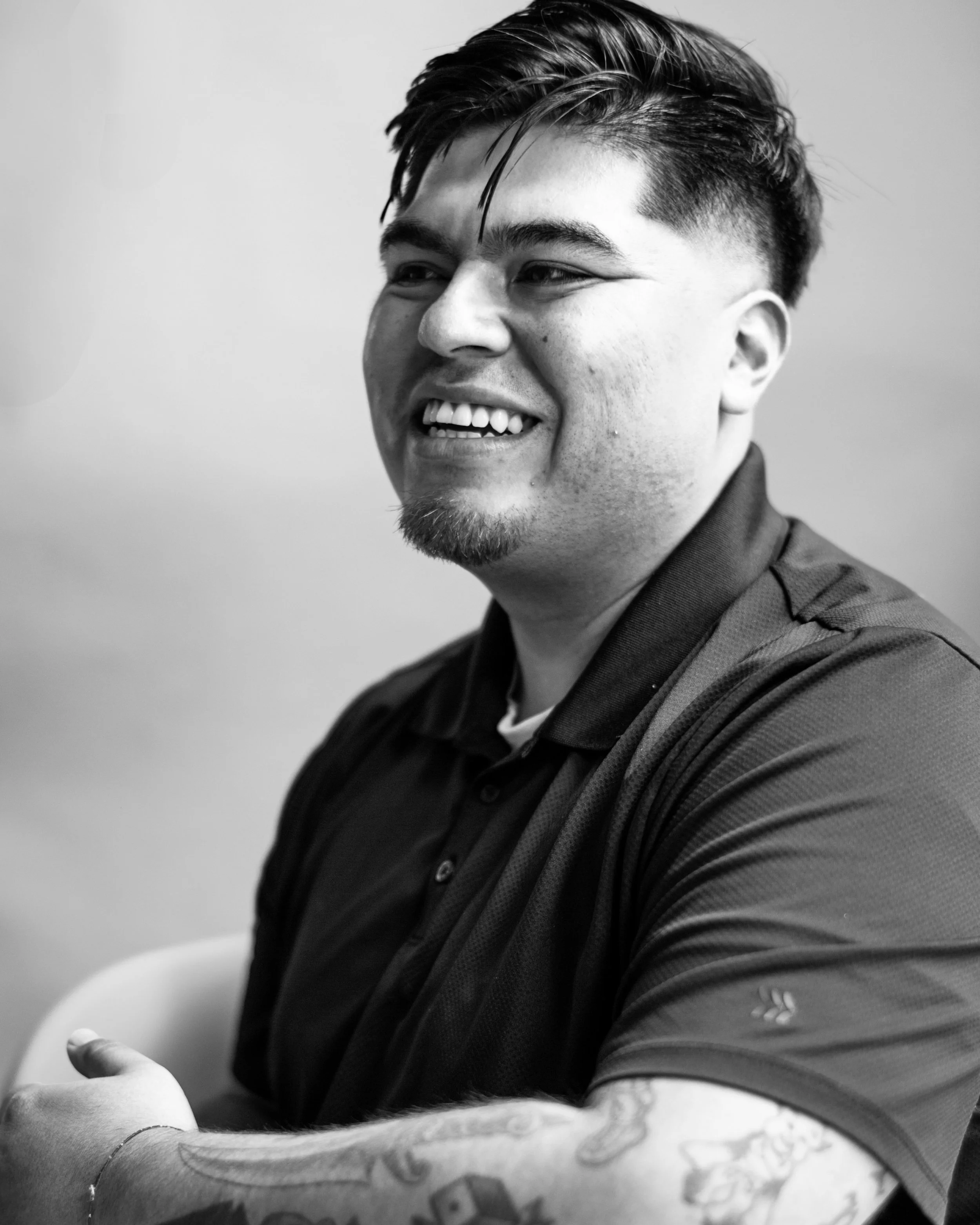
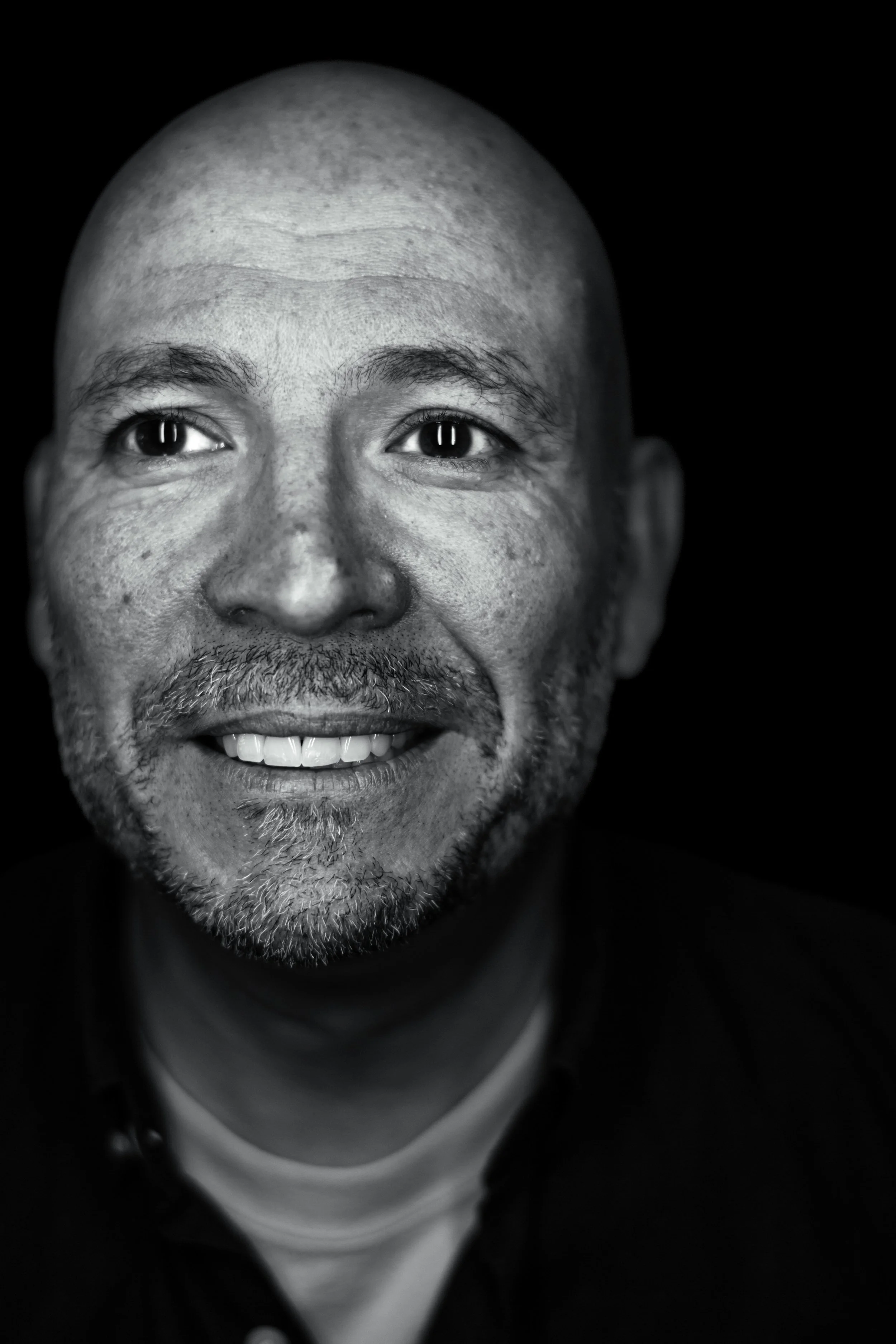
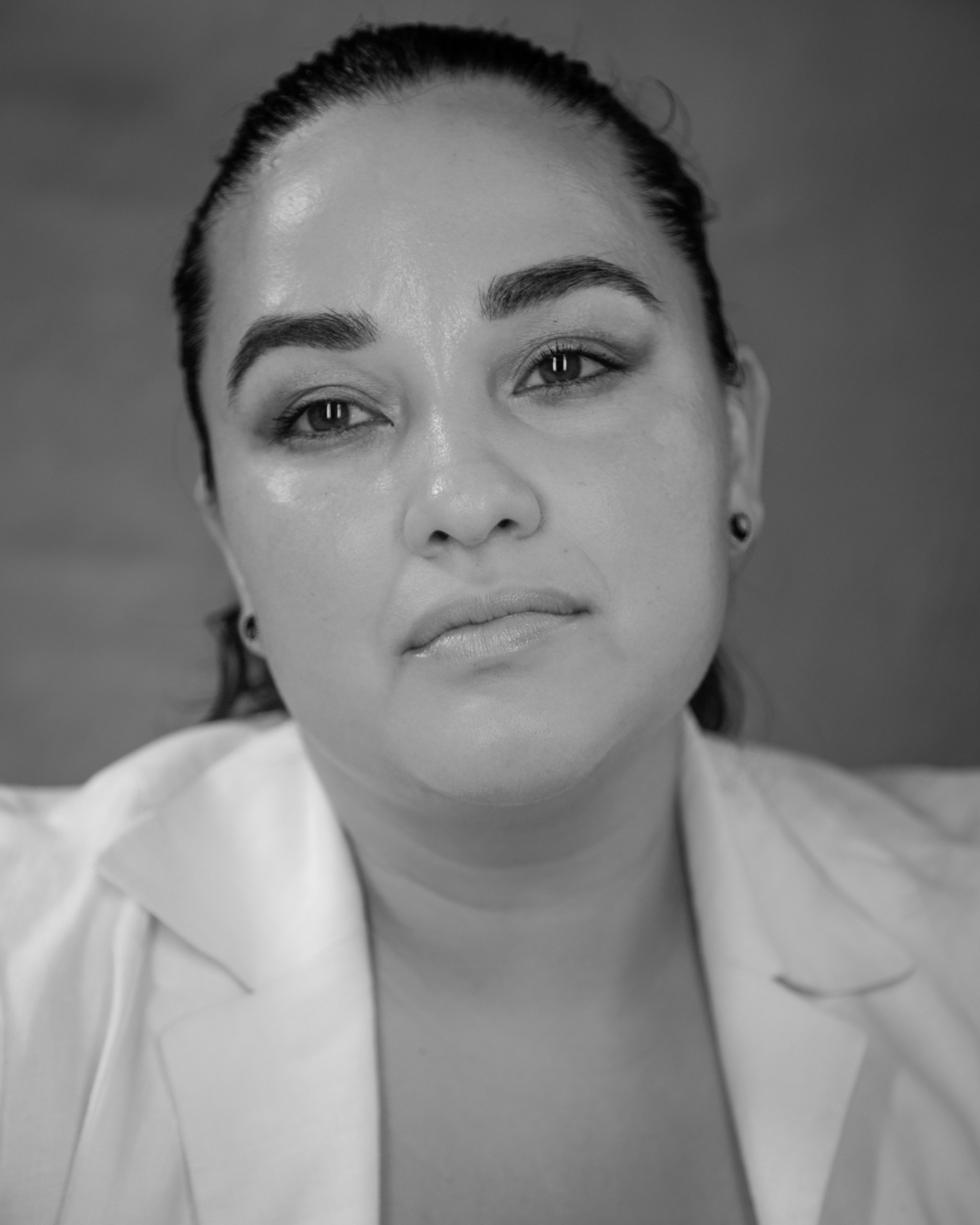
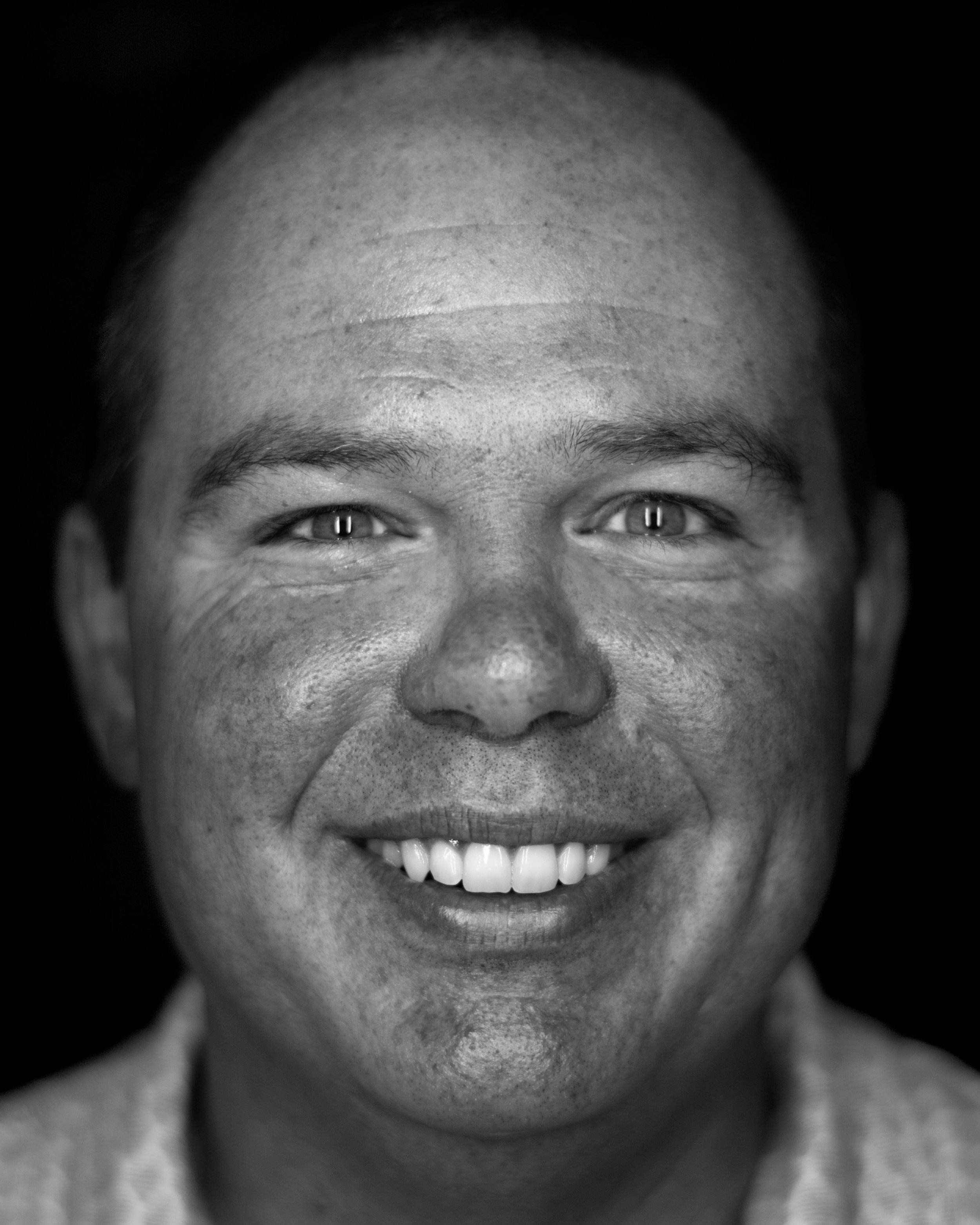
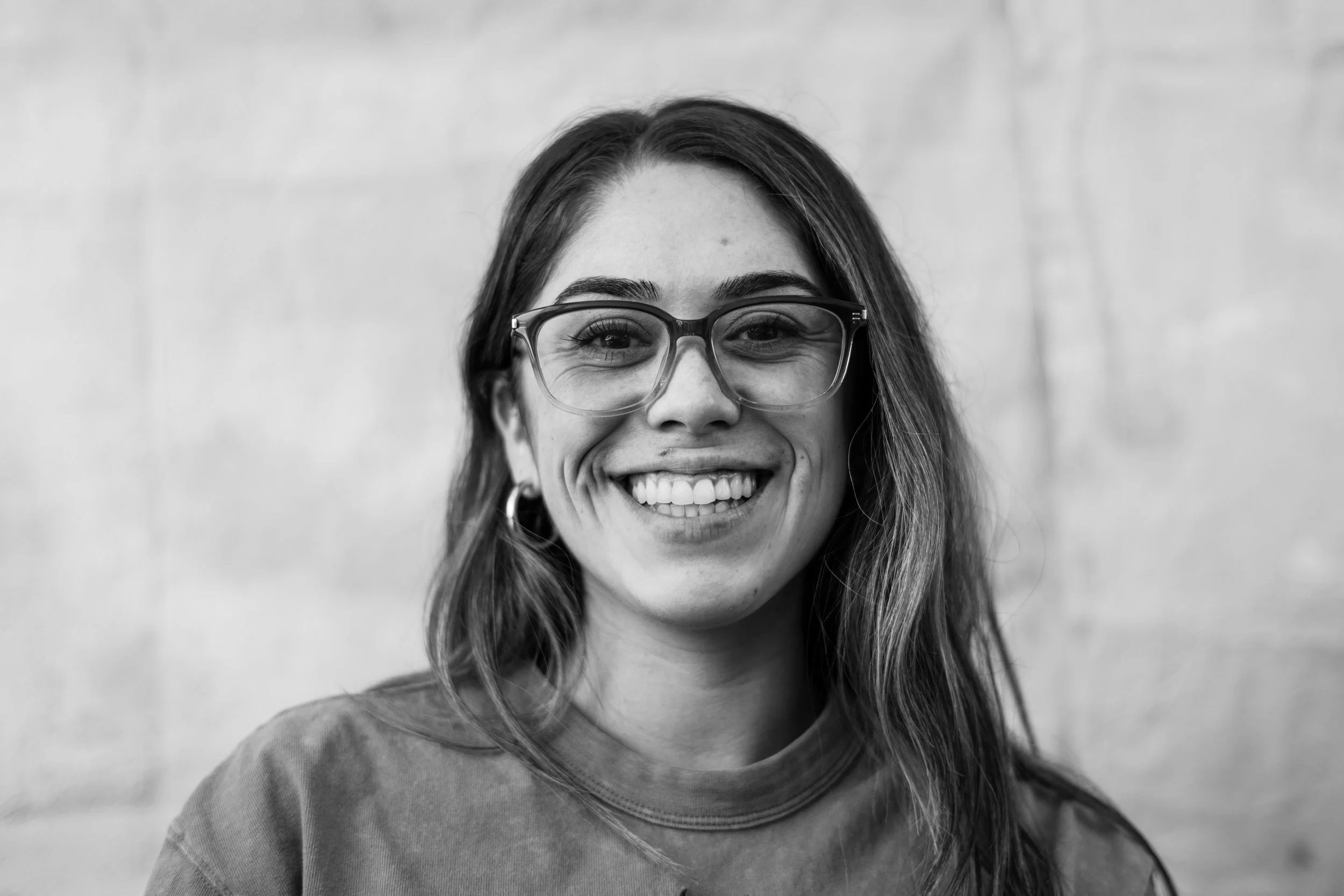
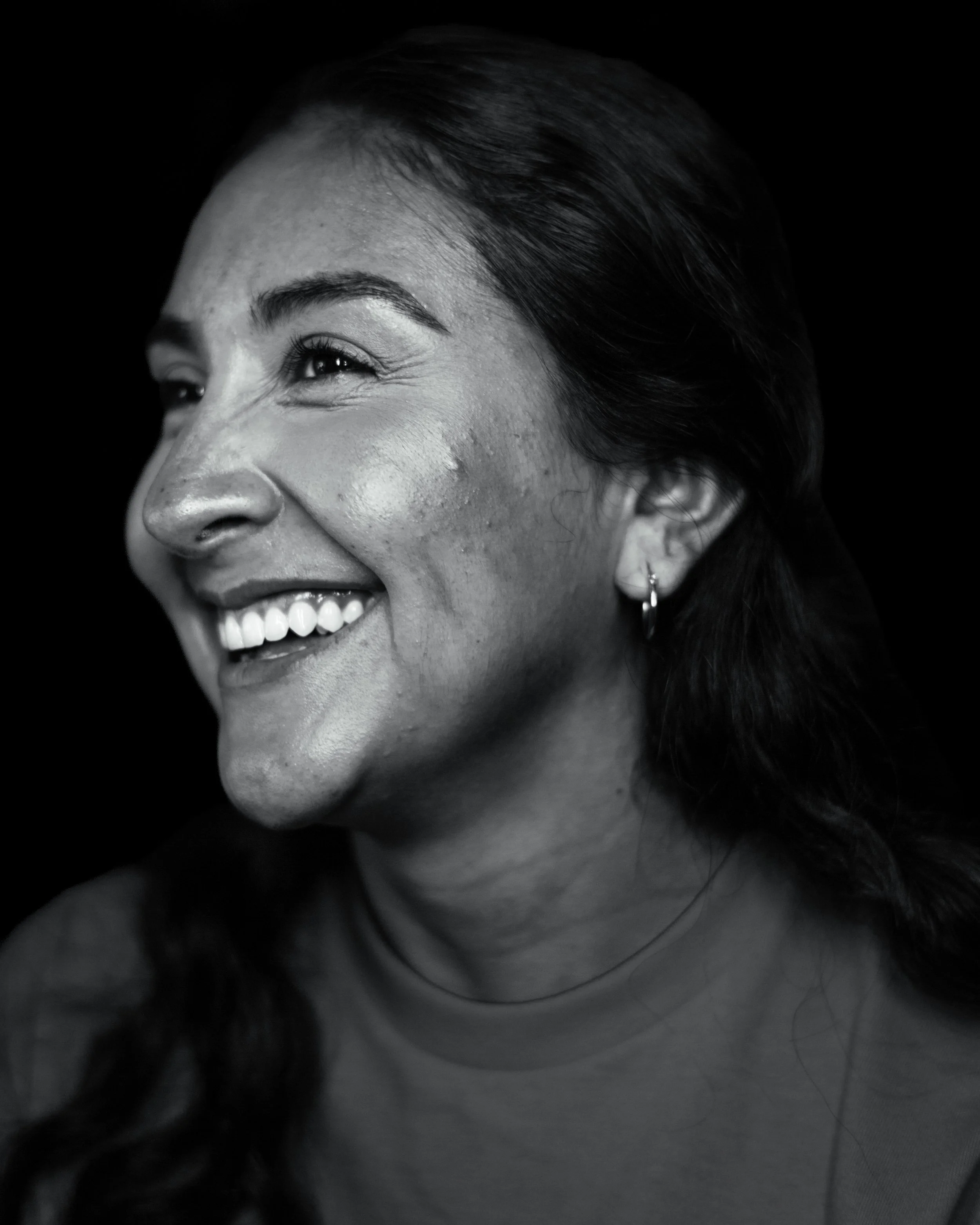
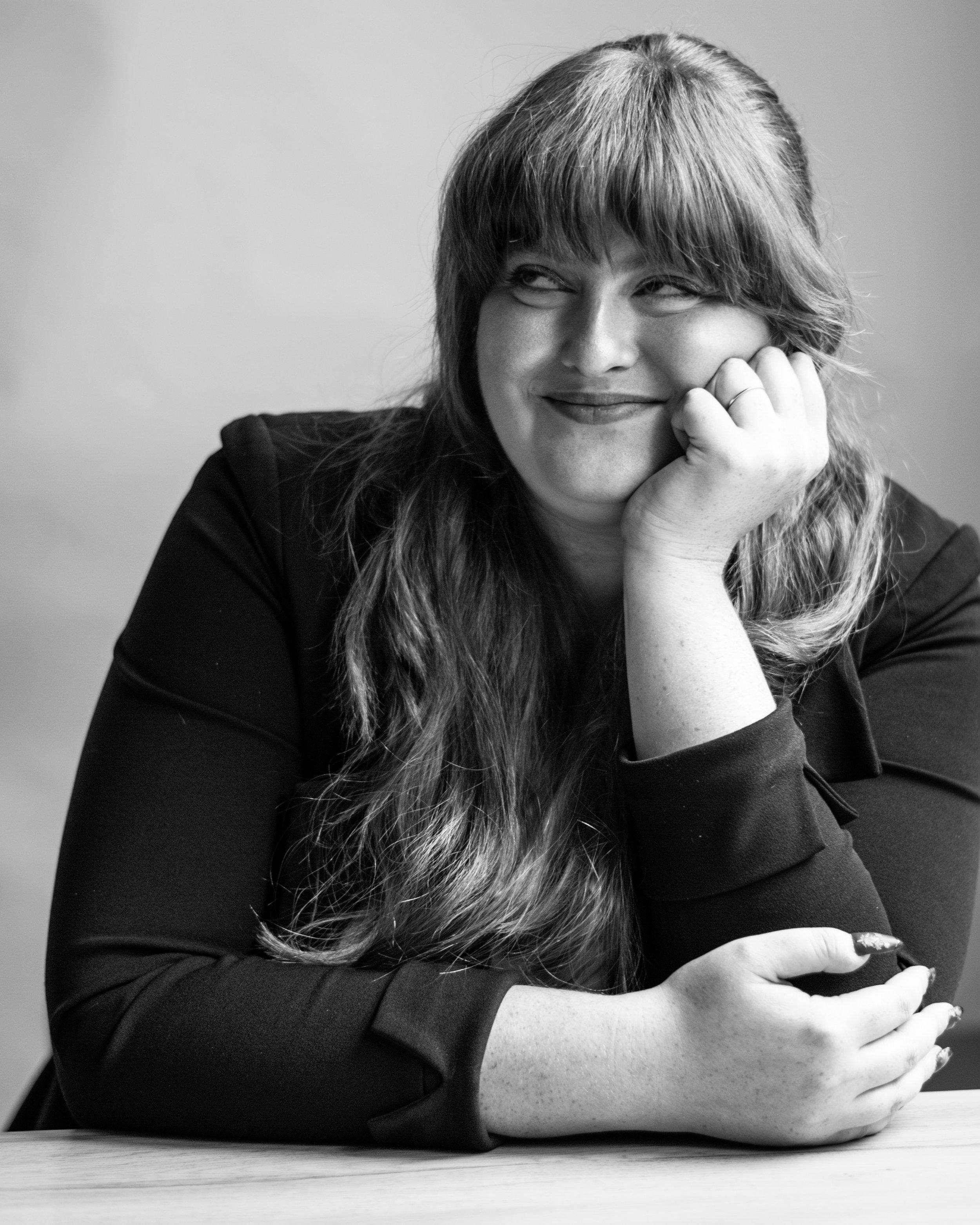
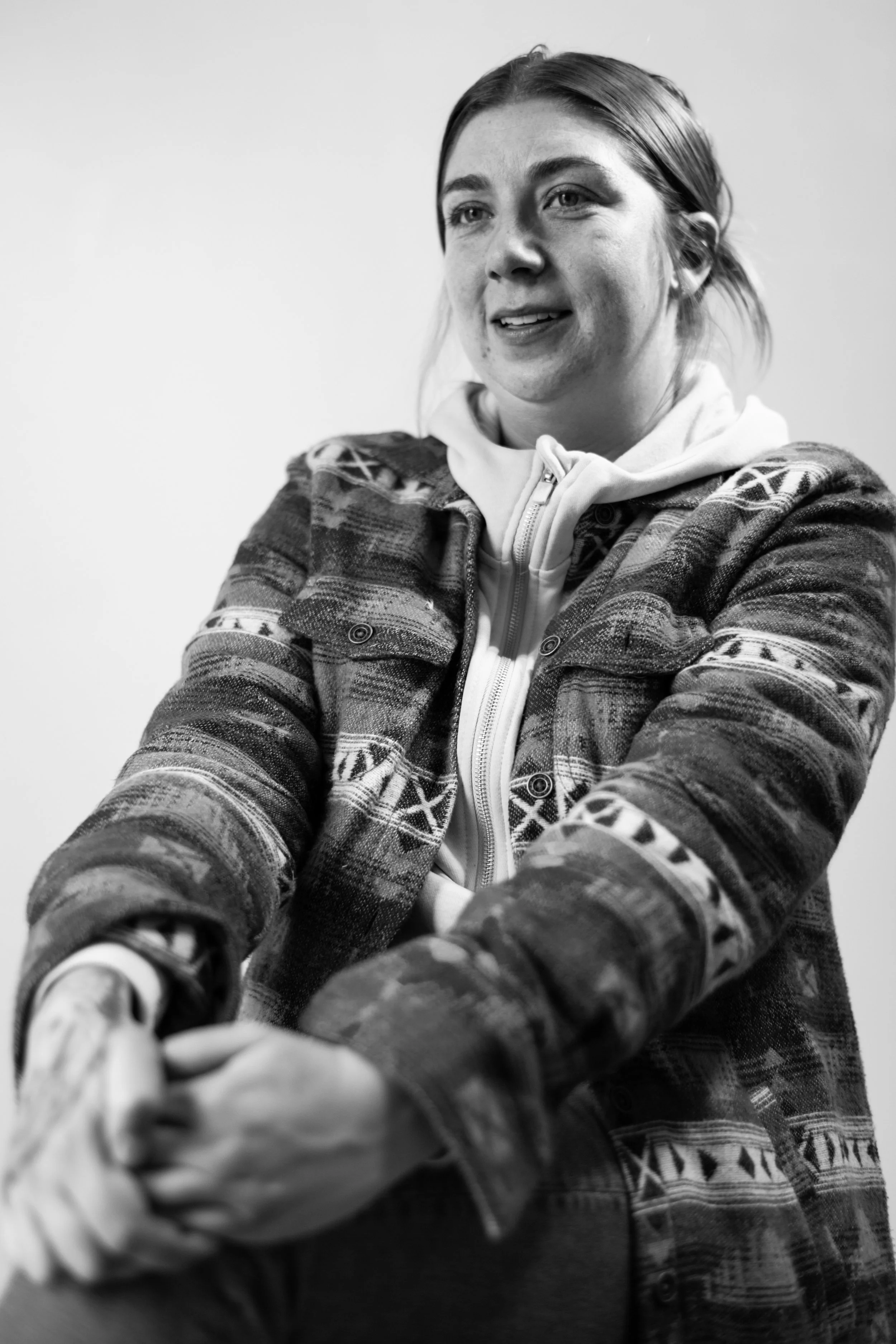
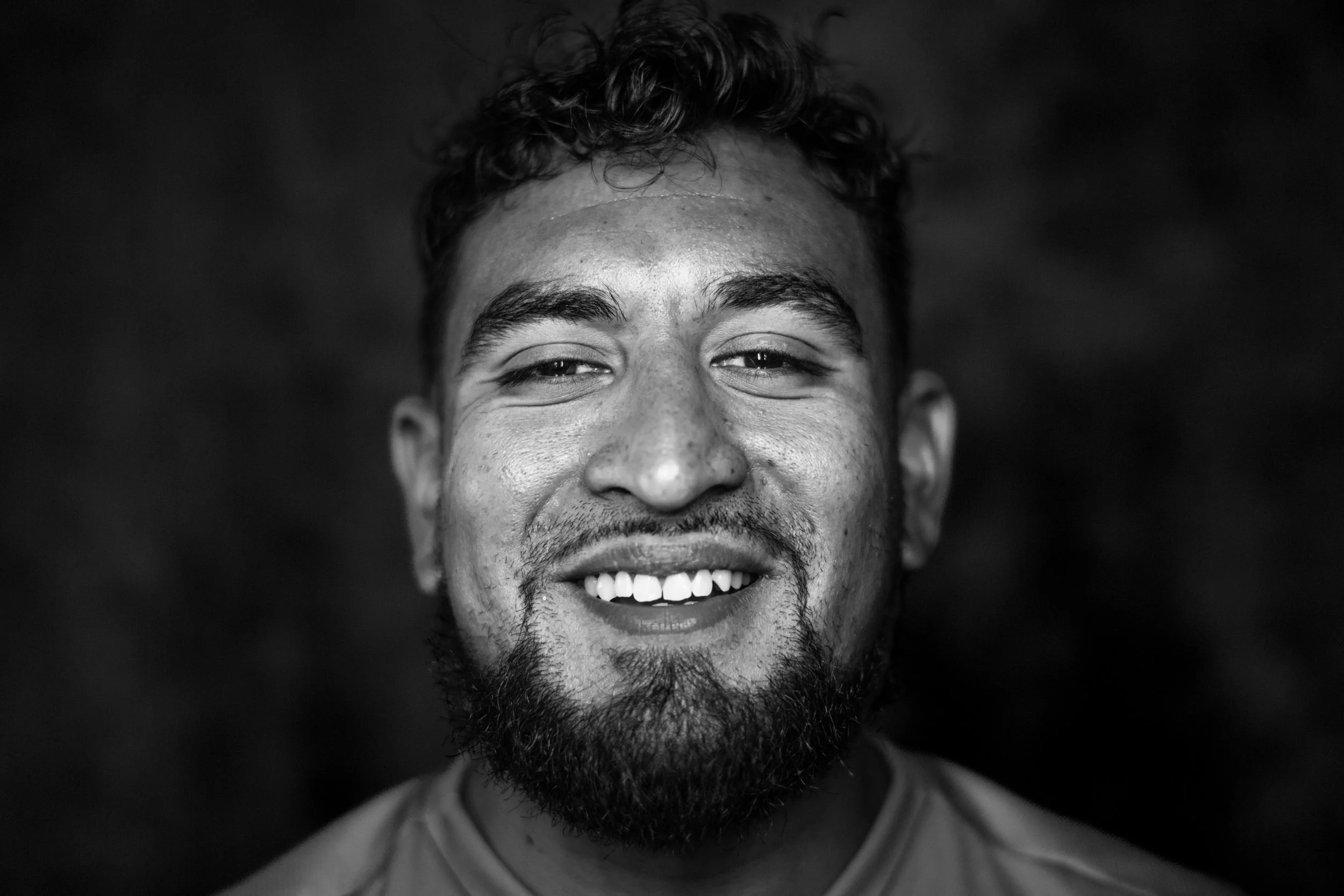
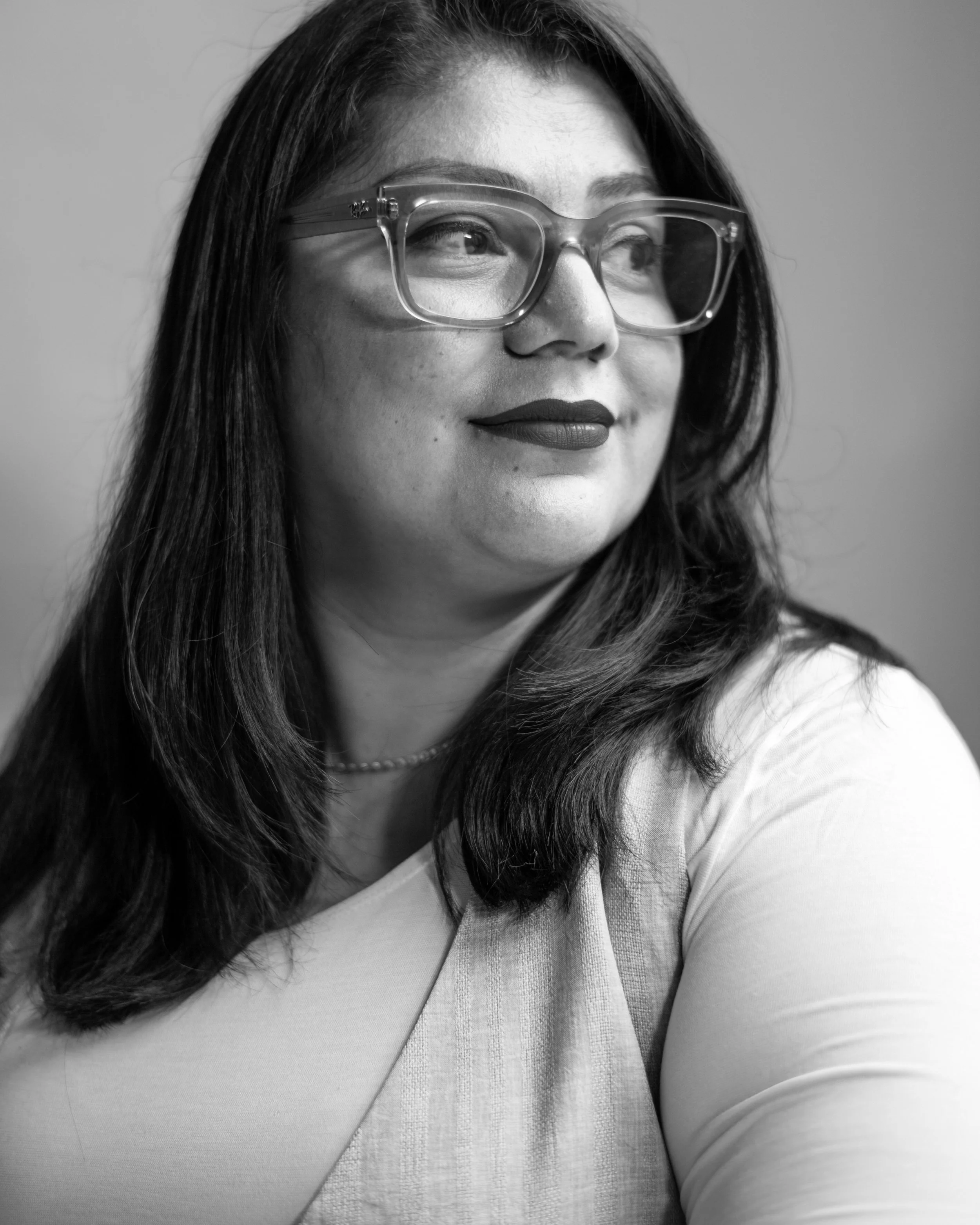
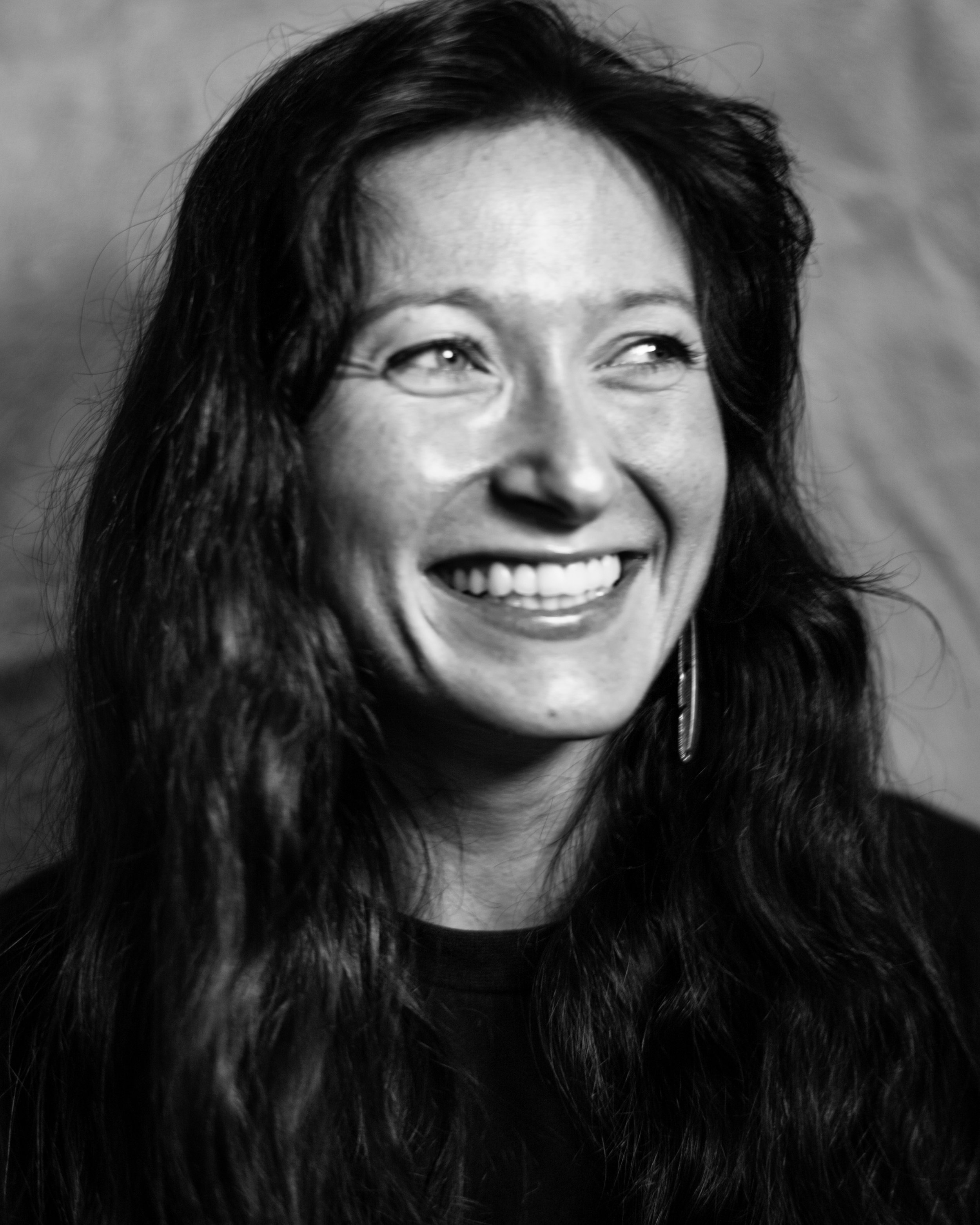
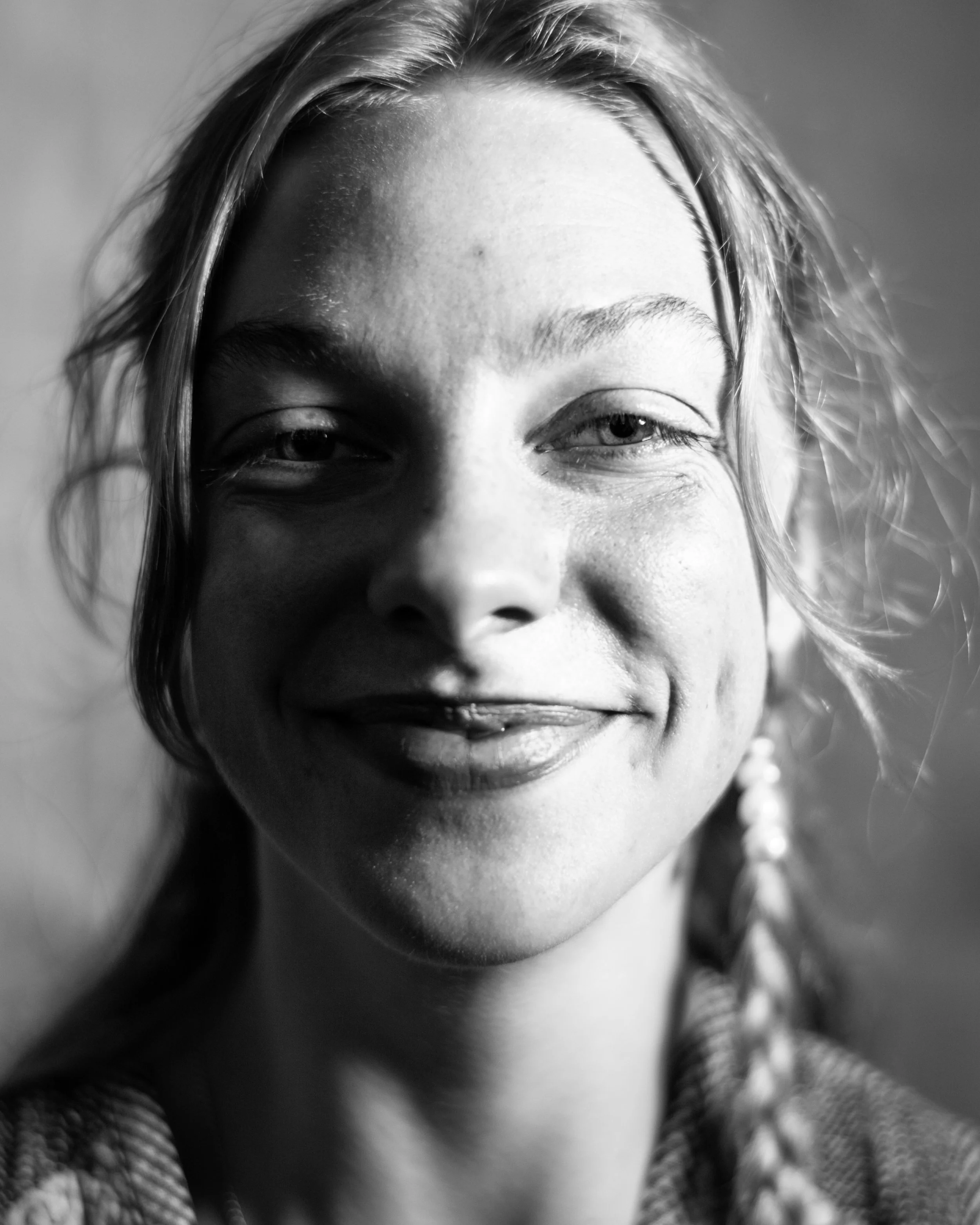
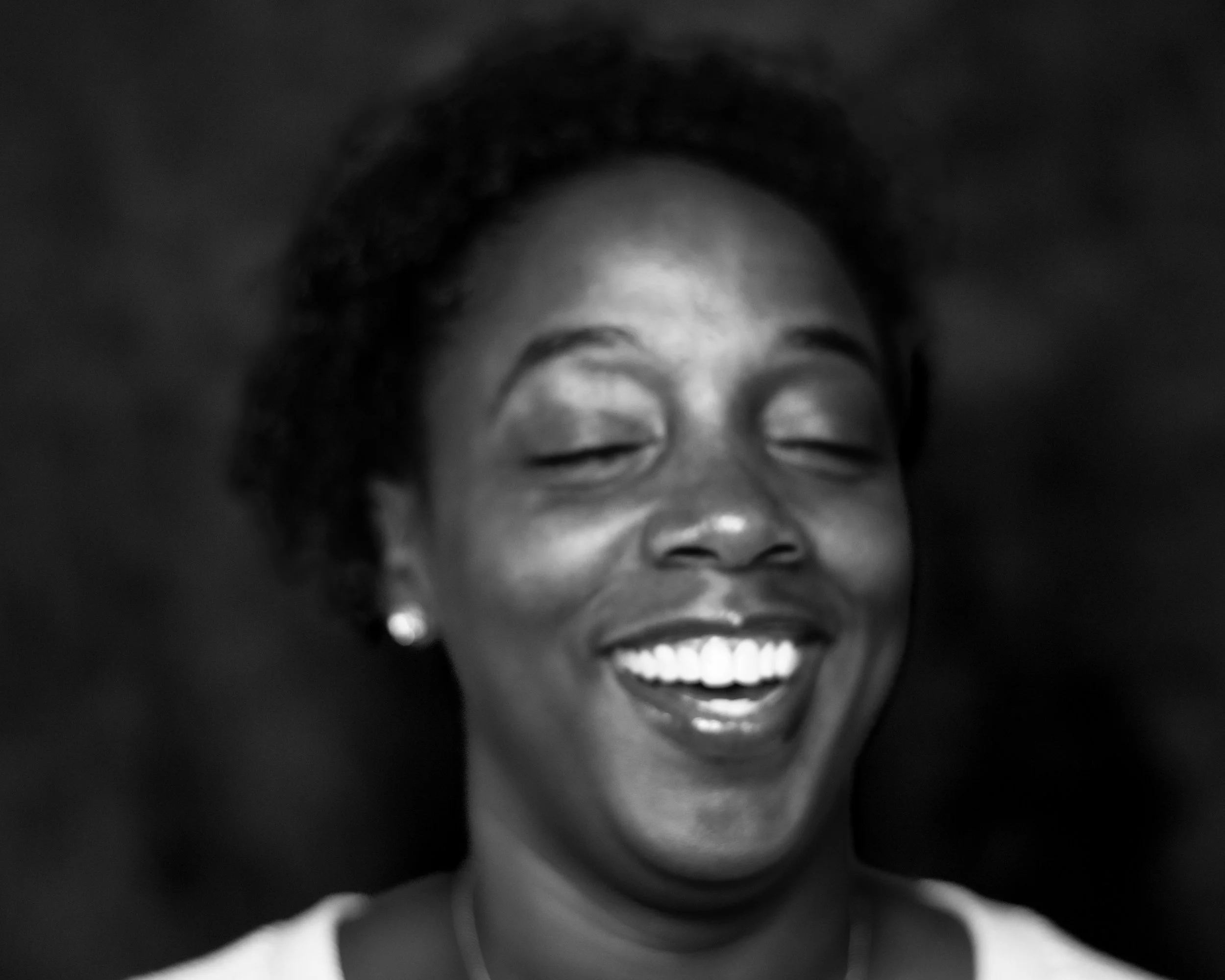
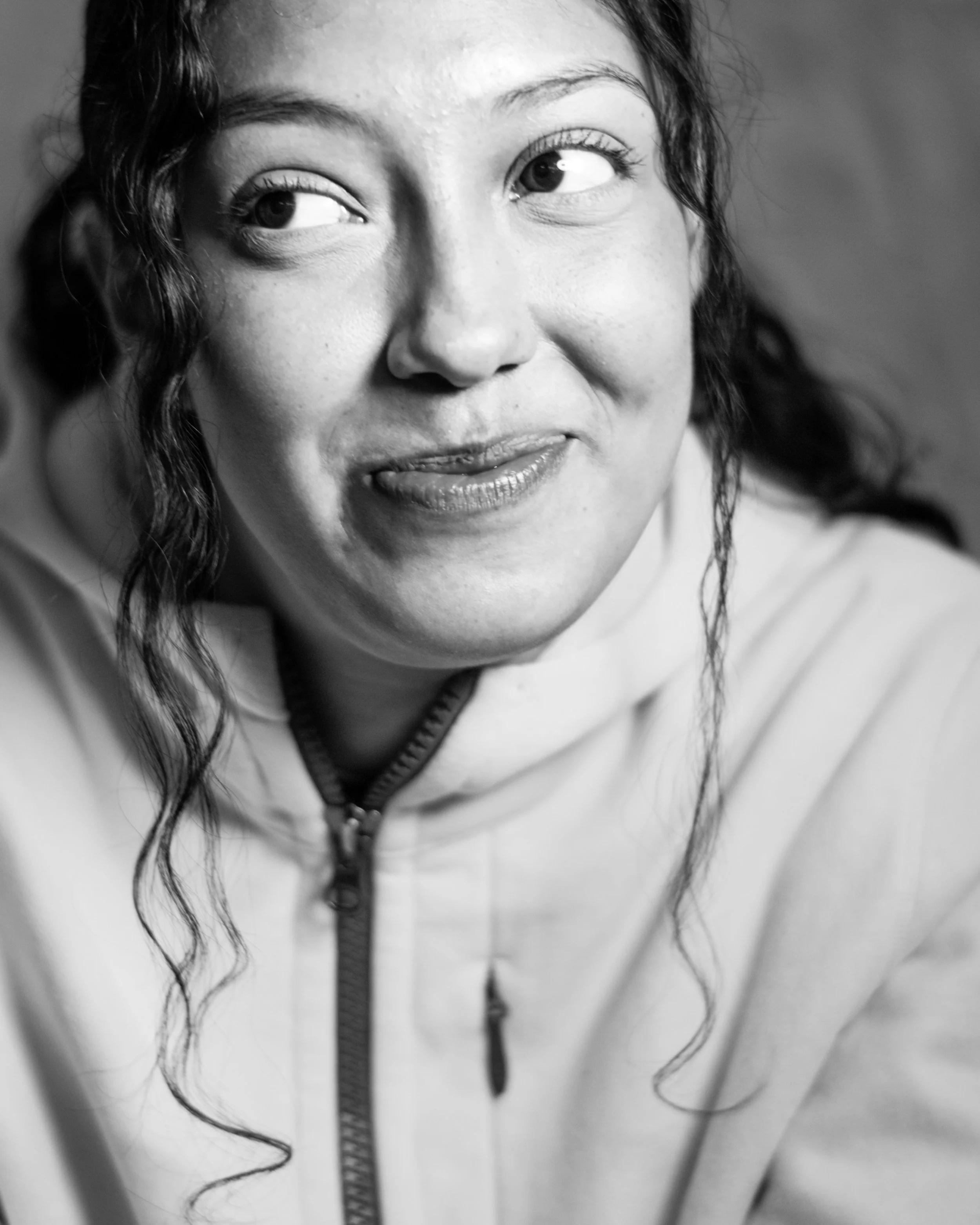
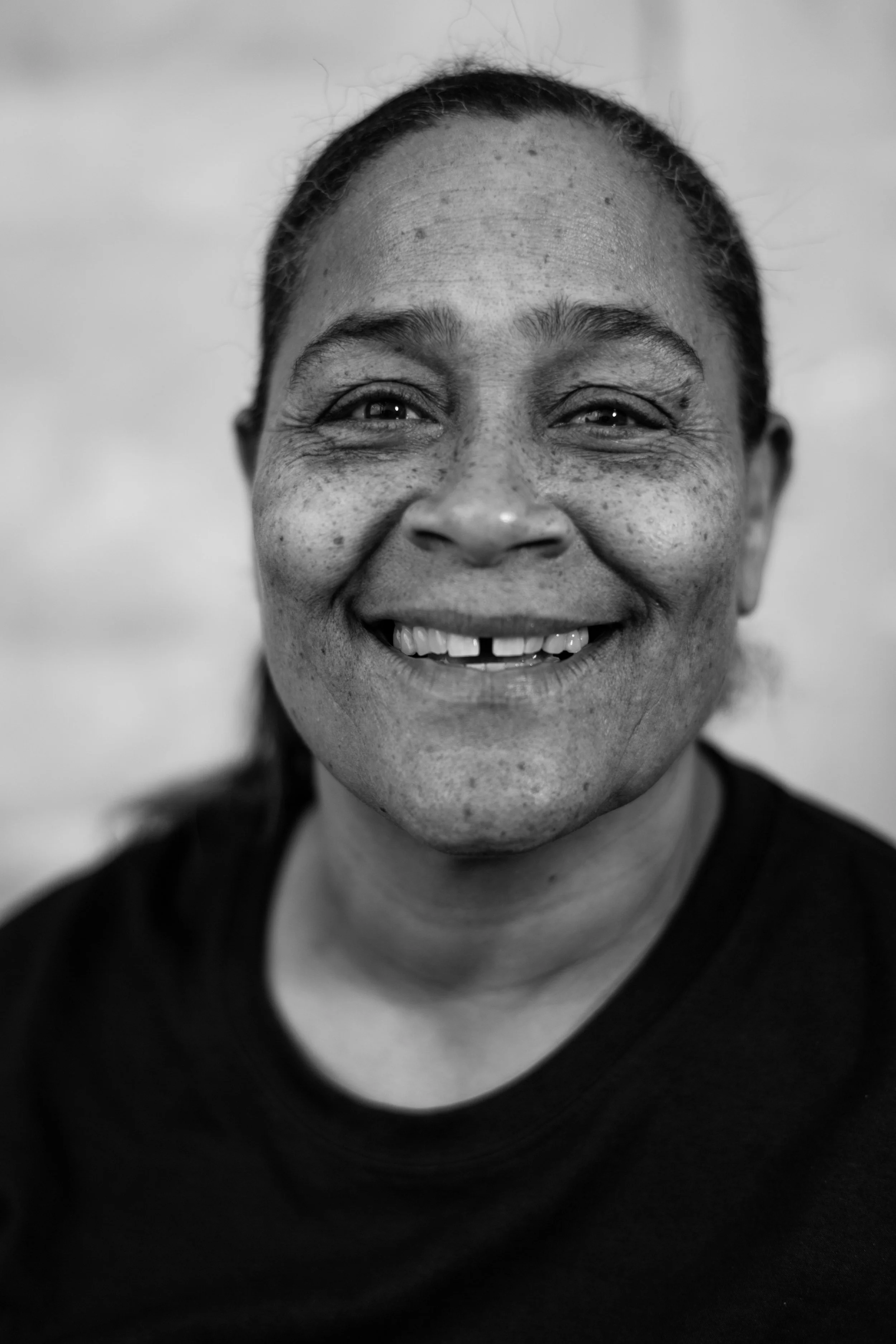
Stories from the Field: Voices and Visions from the Workforce is a project to showcase and uplift the unique impact and experience of the expanded learning workforce. Mike Taylor is a San Rafael educator with over 20 years of experience, a photographer, and the artist leading this project. PCY has teamed up with Mike to capture the voices and stories of the diverse landscape of expanded learning professionals from communities across California. Together, our goal is for these portraits and stories to reach decision-makers, advocates, and the broader public, keeping workforce experiences and needs at the forefront of where policy is made.
Since October 2025, Mike and PCY have held photo shoot sessions in San Rafael, San Francisco, Alameda County, and San Diego, capturing nearly 40 unique narratives. Thank you to Region 4 Expanded Learning, San Francisco Beacon Initiative, Linking Learning Leading (3LN) Workforce Development Network, San Diego Foundation, A Reason to Survive (ARTS), and CAN Ecosystem Strategic Design Team for co-hosting these sessions. Stories from the Field: Voices and Visions from the Workforce features expanded learning professionals from across the state, including:
How they got into expanded learning
Why their work matters
What's been missing from their journey
Who helped them along the way, and
Wisdom for colleagues and newcomers to the field
-
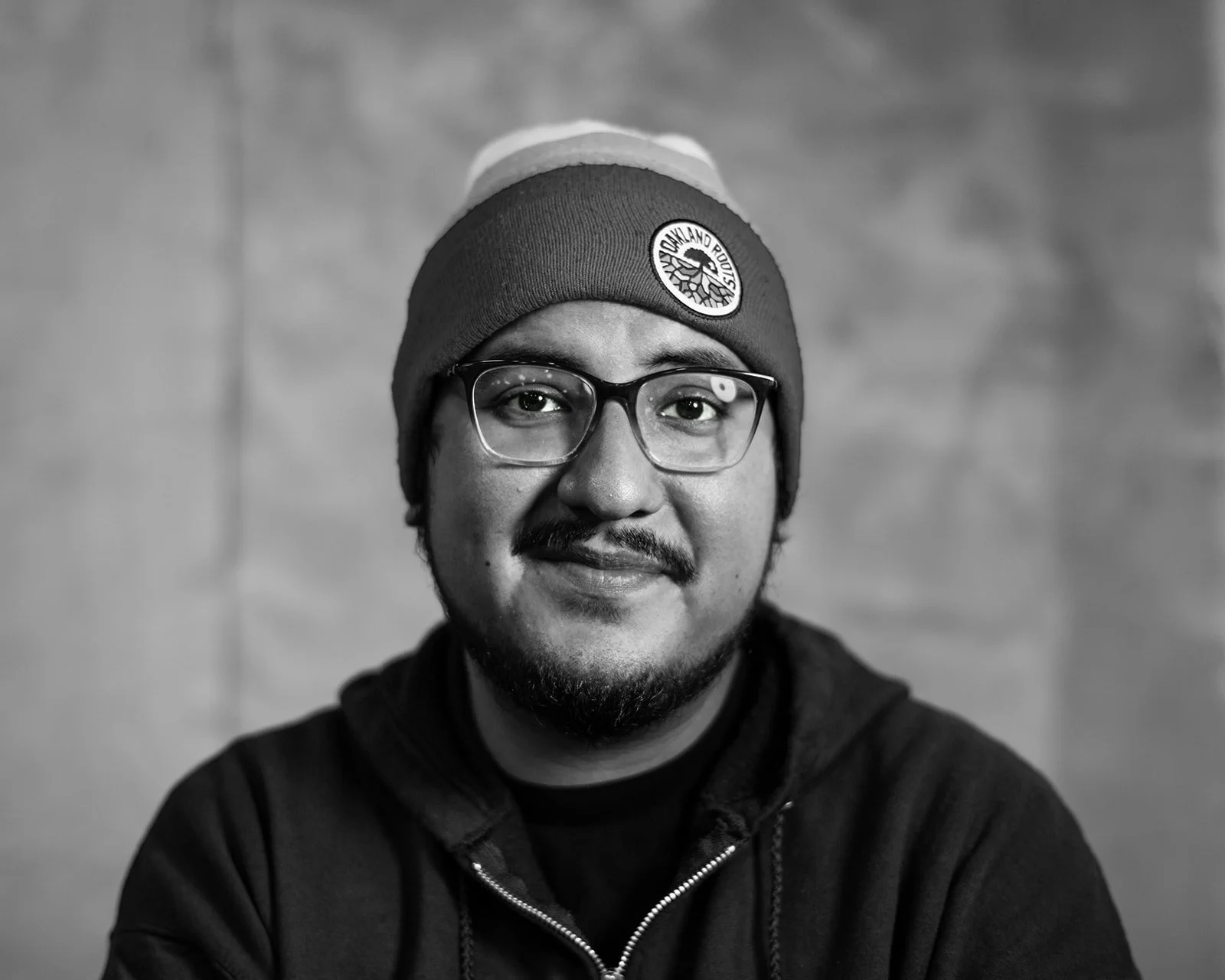
What brings me joy doing my job is just seeing kids trust me and being able to come to me when they need assistance. Whether it's Spanish speaking students who need help translating, or whether it's some kids who don't really have a clique within their middle school ... I have just these students who come and we just hang out. We do little writing challenges based on poetry or I just help a student with their math homework so they can stay in football. Just supporting them in a time where they're trying to find their niche or trying to fit in.
-
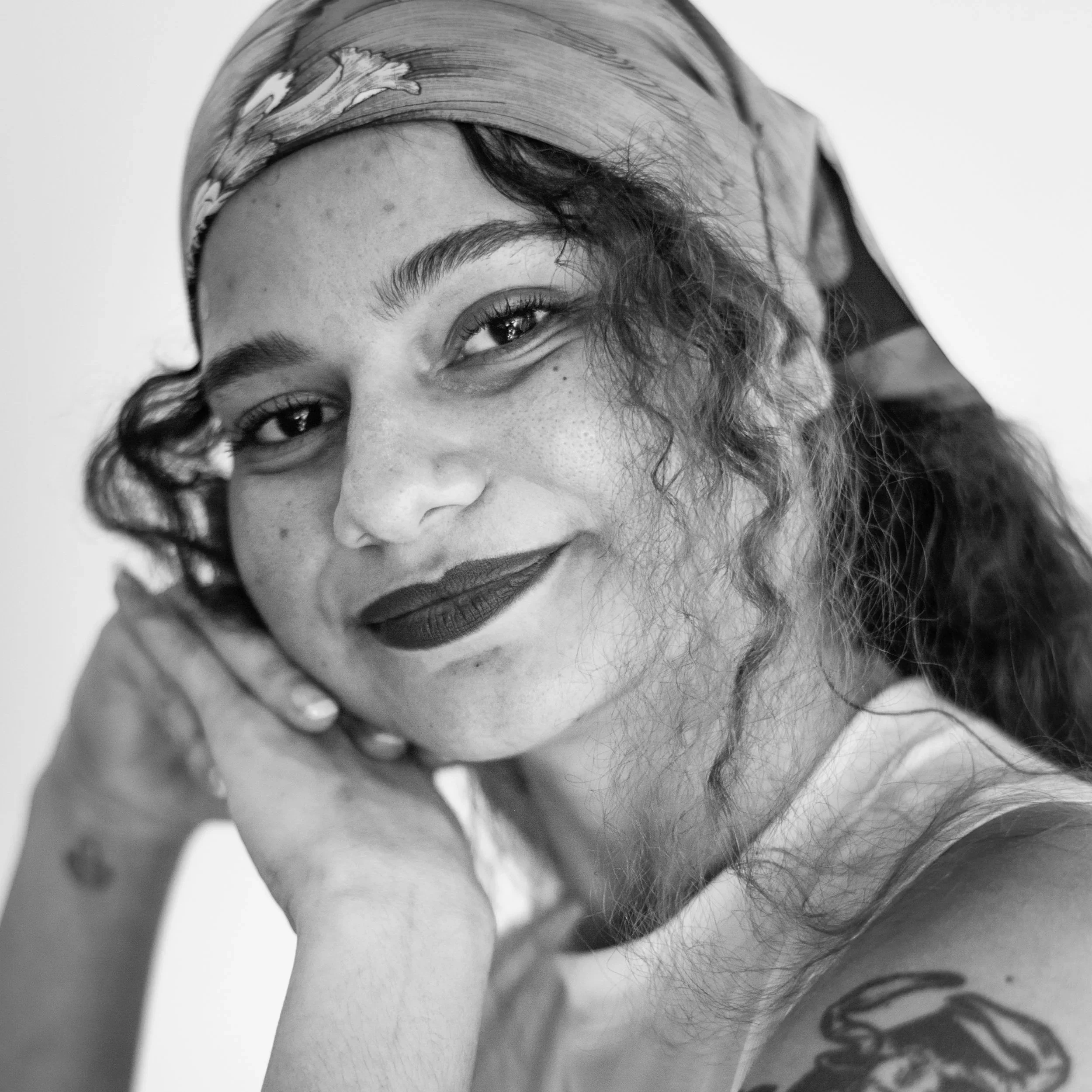
It’s a full-circle moment for me. I moved around a lot as a kid and attended many afterschool programs. In high school, my family was homeless. Every day after class, I would walk nearly an hour to my little brother’s elementary school to volunteer at his afterschool program. Later, I ended up in the corporate restaurant industry. I was miserable; it felt draining and lacked meaning. When the opportunity at ASAP Connect came up, I jumped at it. I wanted to help create the kind of spaces I wish I'd had when I was a kid.
-
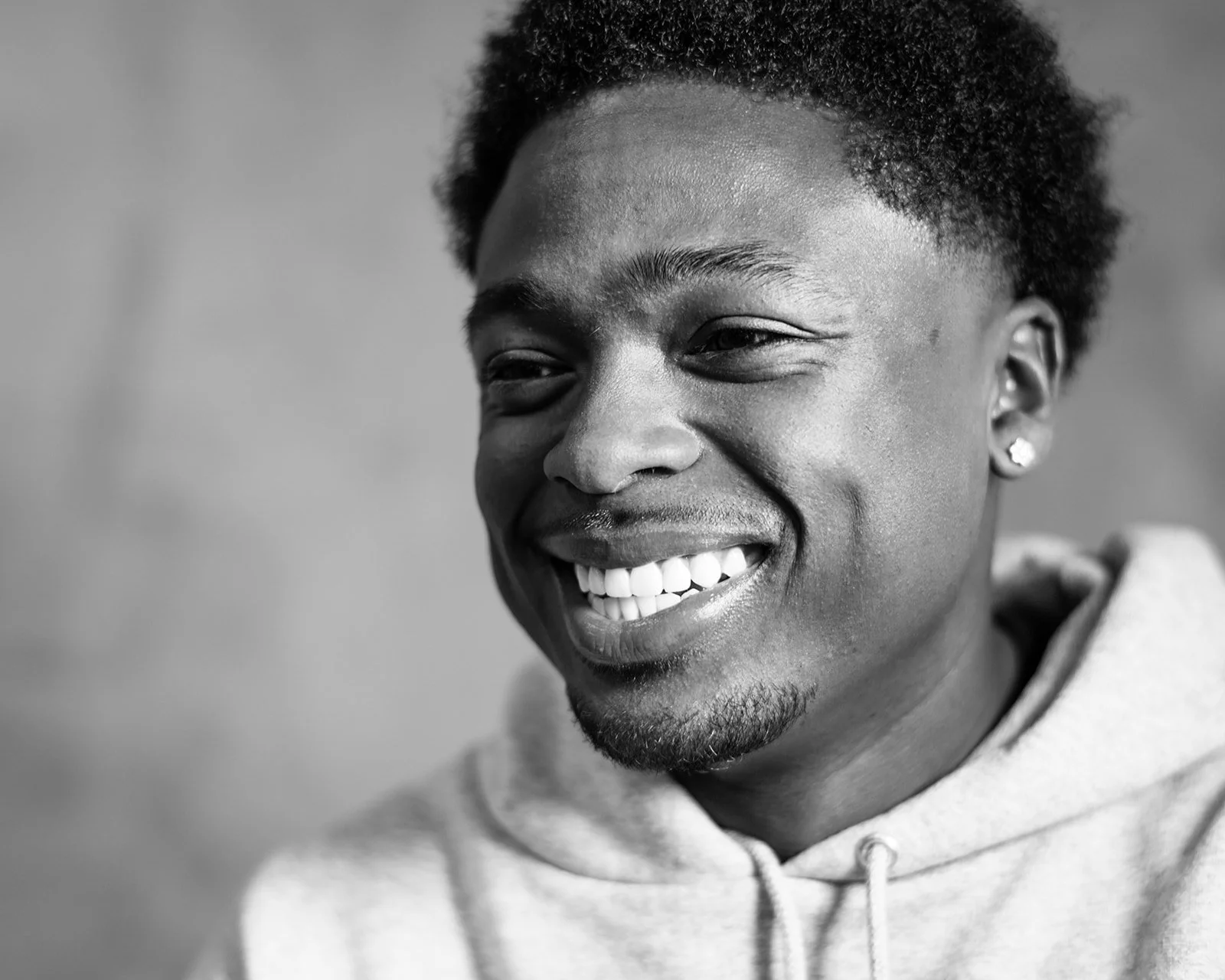
During the summertime, I started off in wellness and I loved it. Absolutely loved it. This was my second year at City College before I graduated. And so I couldn't continue full-time because I was in school. So I said, "I still want to be with you guys." And they gave me the afterschool program to still be with the kids and then kind of dibble and dabble and still keep me in wellness in certain aspects of R.O.C.K. And that's my goal. My goal is to graduate this semester, go get the masters of social work and come back and help the community, because that's where I'm from.
-
I feel like I got into it by accident, though my mother was always an advocate, so we spent a lot of time around services growing up. As a teen mother, I was blessed to have support systems around me, and I’ve always been drawn back to that. I tried to go into the corporate world, but I keep coming back here. This work is a calling for me; it’s where I find my joy.
-
Honestly? [I got into this work] by mistake—or by the grace of God. I was previously at a job where my values didn't align with the organization. There was no impact being made for anyone other than the company itself, and it just didn’t feel right.
-
Our agency focuses on the child as a whole, which means supporting their home life, too. I recently had a conversation with a father about his relationship with his own parents. He realized he didn't know how to be a dad because he never had a role model. It was a "trickle effect" moment where we could ask, 'How do we support you?' I’m proud of establishing that mindset with my team.
-
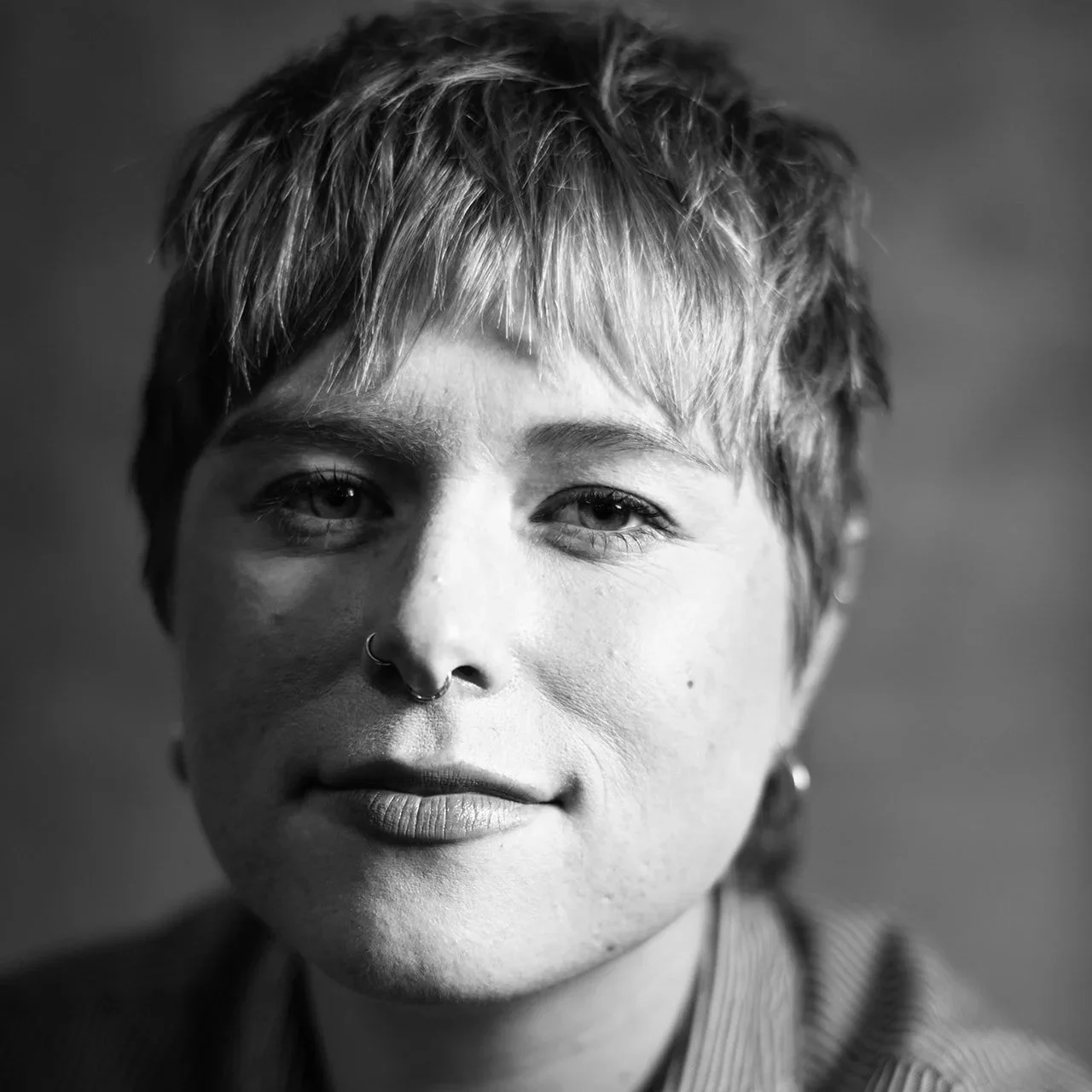
I was a district administrator. I was given the opportunity—the "tap" on the shoulder—to try something new. I’ve always enjoyed helping people, and I wanted to get closer to the students again. When you’re at the district level, you can feel removed; I saw this as an opportunity to get back to where the joy is
-
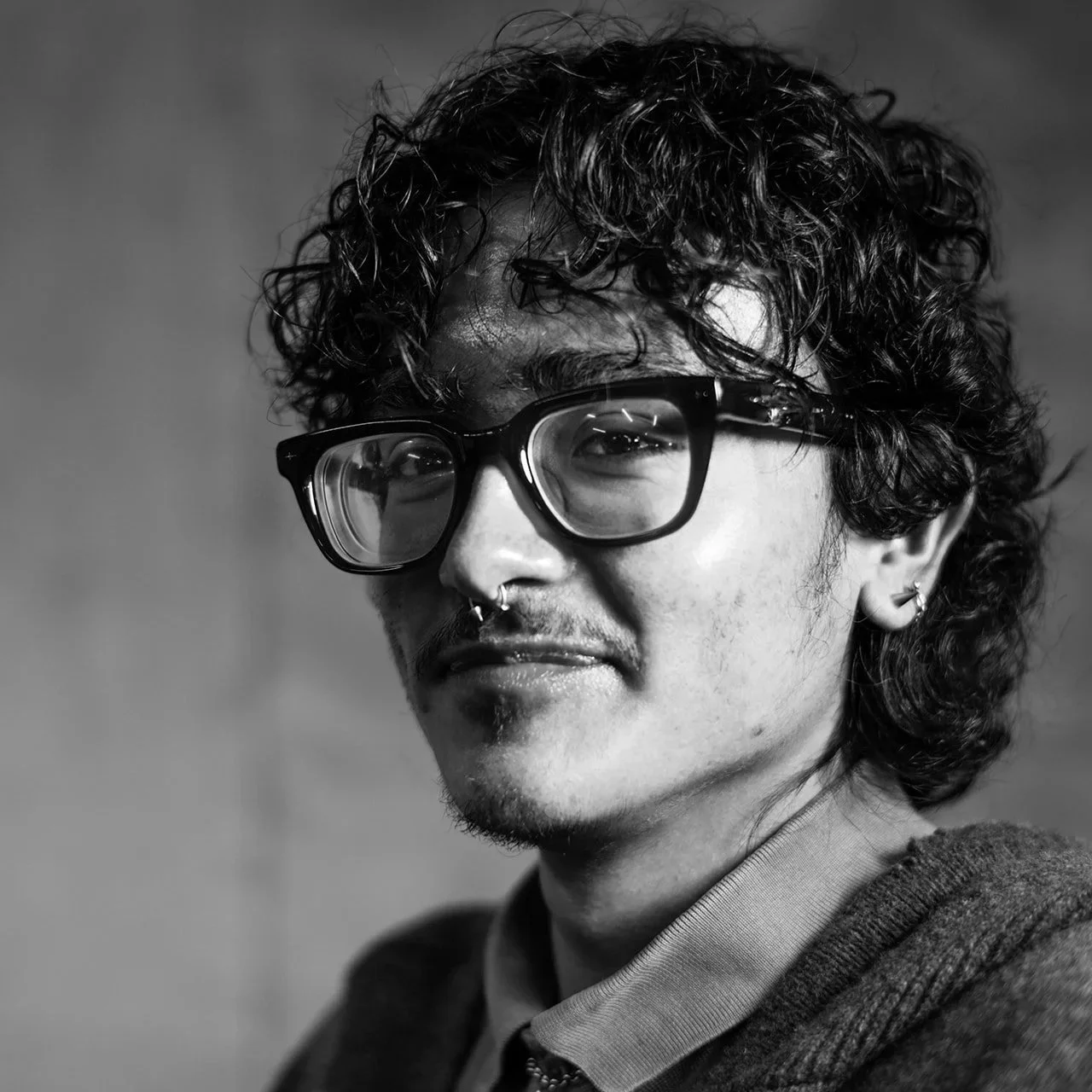
Working with middle schoolers became a healing experience for me. I just kind of stuck around, and people kept giving me more responsibility. The rise to leadership wasn't something I initially sought out. When the pandemic hit, our site coordinator moved away and suggested I take the role. I immediately said, 'No, I don't think I can do that.' But she trusted me, so I tried it. I realized, 'Wait, I can do this. This is actually fun.' Later, when the Director position opened, people told me I should do it. Again, I said, 'I really can't. I'm not built for this. I'm a great number two. I can support the leader, but I'm not going to be the last stop.' People kept pushing me, so I tried it.
-
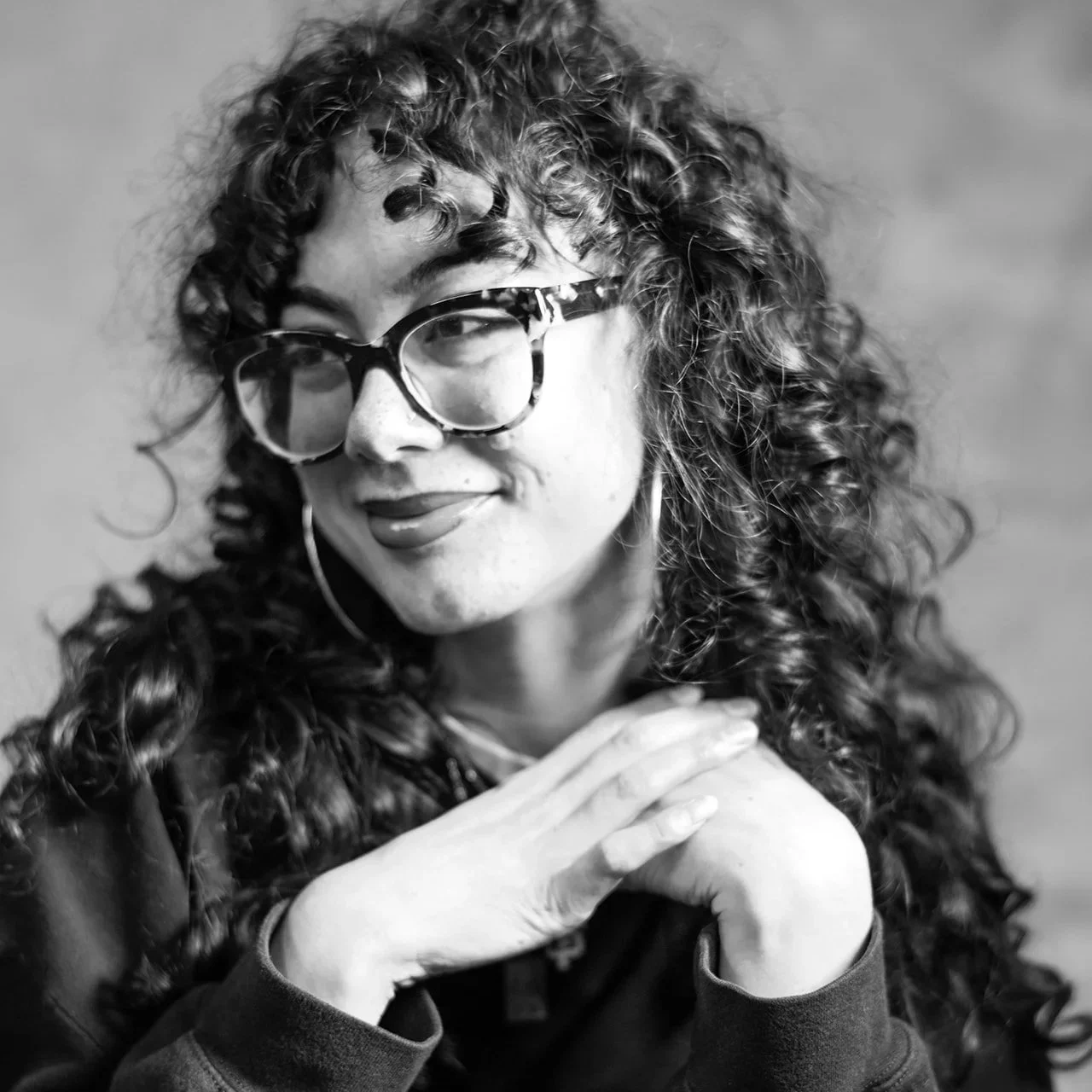
You can see from a very young age which students might feel a bit different, even if they don’t realize it themselves. Sometimes they just need someone to lean on—someone they can recognize themselves in. You can see their demeanor change when they feel safe and comfortable. Being able to offer that support, especially in ways I didn’t have growing up, makes me really happy and reminds me I’m on the path I’ve been wanting.
-
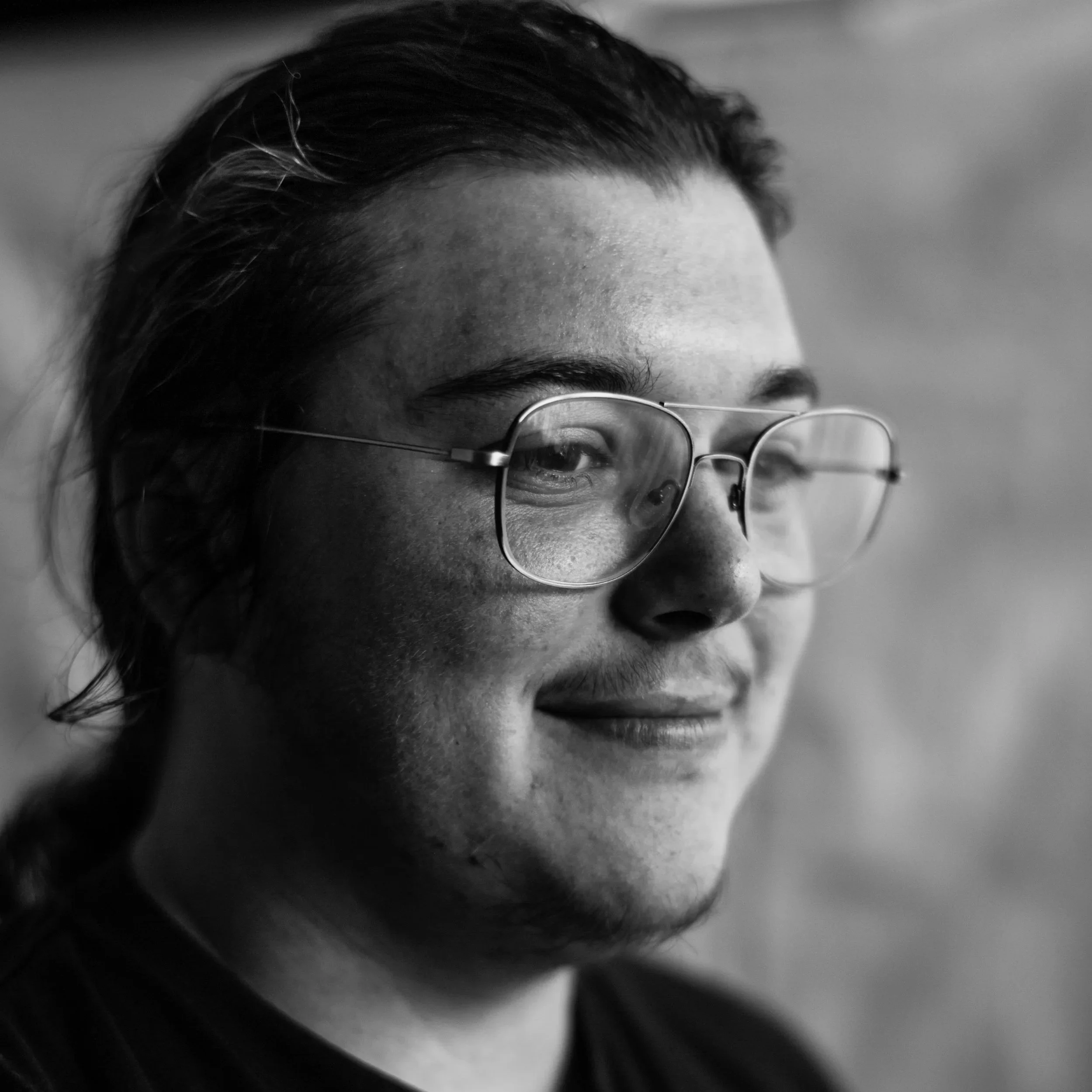
I believe the impact goes both ways; they teach me about life and I see pieces of myself in them. When I think back on teachers I loved, I don't remember every moment, but I remember the feeling of being safe and wanting to be in class. I hope my kids are able to look back on their time with me and just have a feeling of security, knowing that they were welcome somewhere.
-
I was actually a student here first. I really enjoyed the environment of the Art Center, and I liked organizing and helping the teacher after class. I started as a teaching assistant and realized I actually liked the work. From there, I began volunteering more in the classroom and it just clicked.
-
"We have students who cross from Tijuana every single day to be here. Being bilingual isn't just a skill—it’s how we break down barriers and build real relationships in a community like National City."
-
I used to work with students on the spectrum, which was incredibly eye-opening. I wanted to expand my knowledge, so I came to Youth Alliance. I was drawn to the fact that they don’t just have an expanded learning department; they do deep community work, too. I knew it would challenge me and open my mind.
-
I had never really worked with kids before. It was a very stark learning experience. Once I was onboarded for the summer camp, it was basically: "Here’s the rundown, here’s what we’re doing, and now you’re working with 30 kids." We had help from other assistants and teachers, of course, but it was a crash course in learning how to interact with them.
-
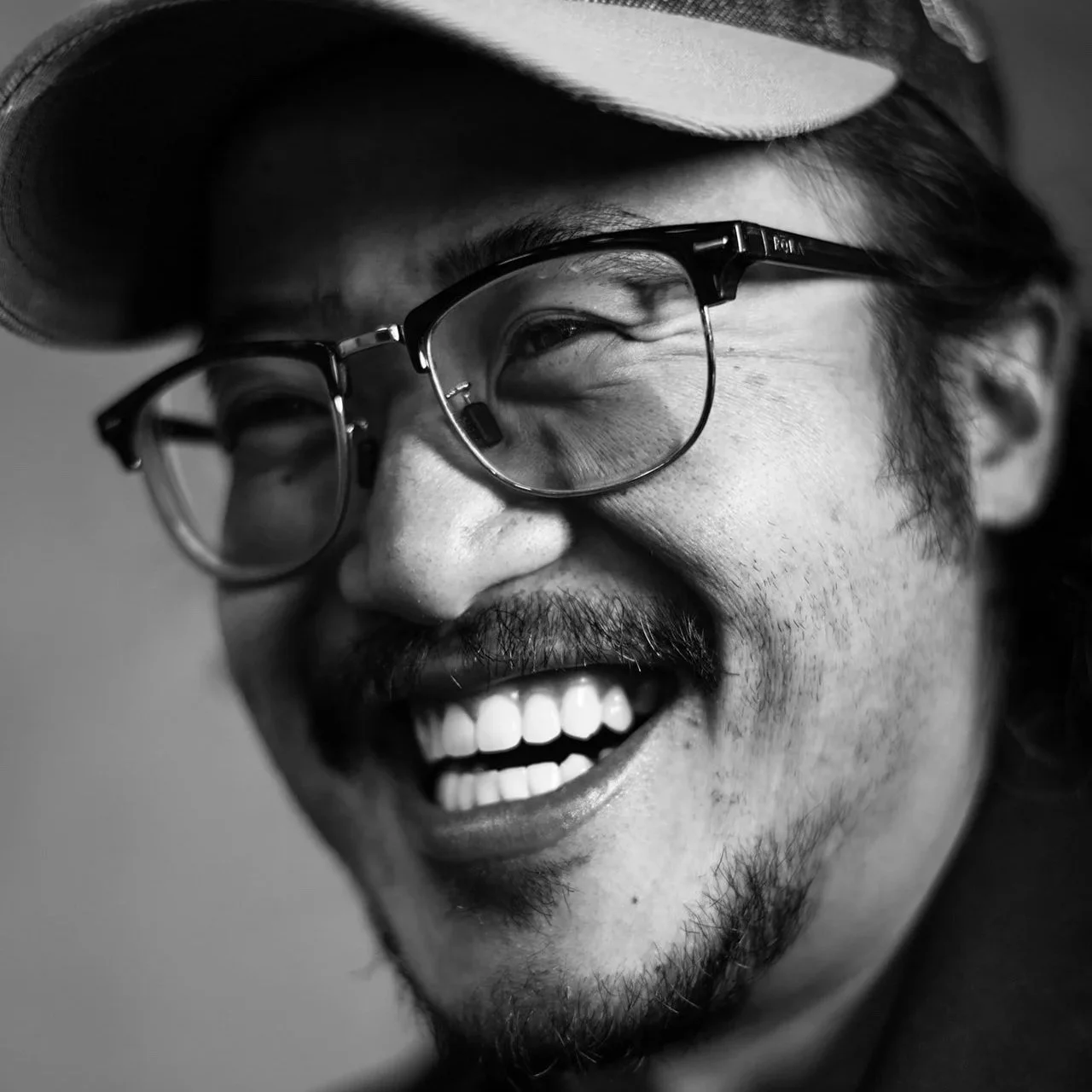
The challenge now is that the work stays in your mind a lot. You’re constantly thinking about the kids, how to redirect what’s happening in the classroom, how to help them, and how to create something useful that provides real value for their lives. You can put as much time into it as you want; in many ways, the sky is the limit.
-
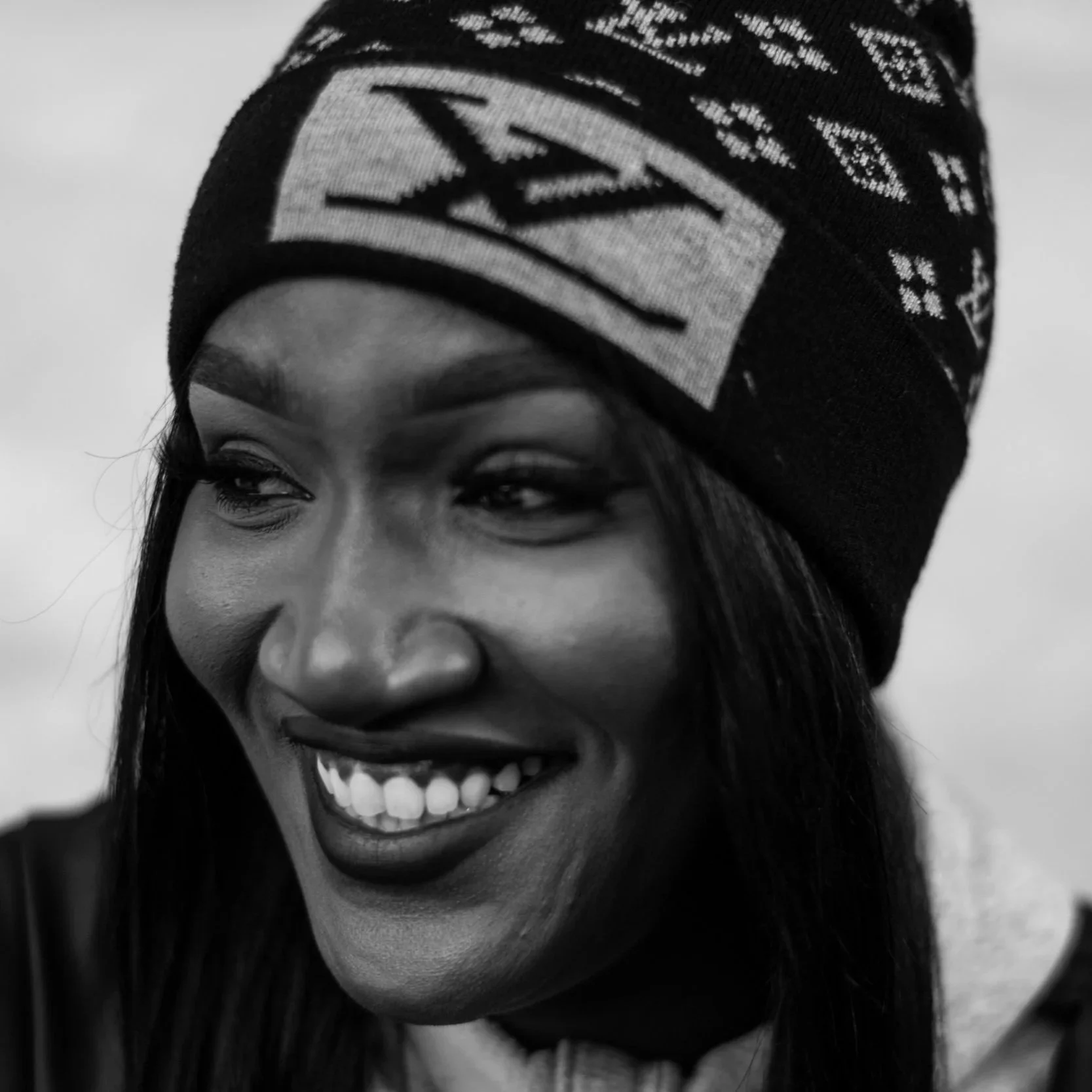
I love that first moment when afterschool starts. Kids come in after a full day, overwhelmed with everything in their heads. Then they see the space, the staff, their friends—and something shifts. It’s like, “Okay, now I get to have fun. I get to be in community.” It becomes a place where we foster connection, joy, and just being together.
-
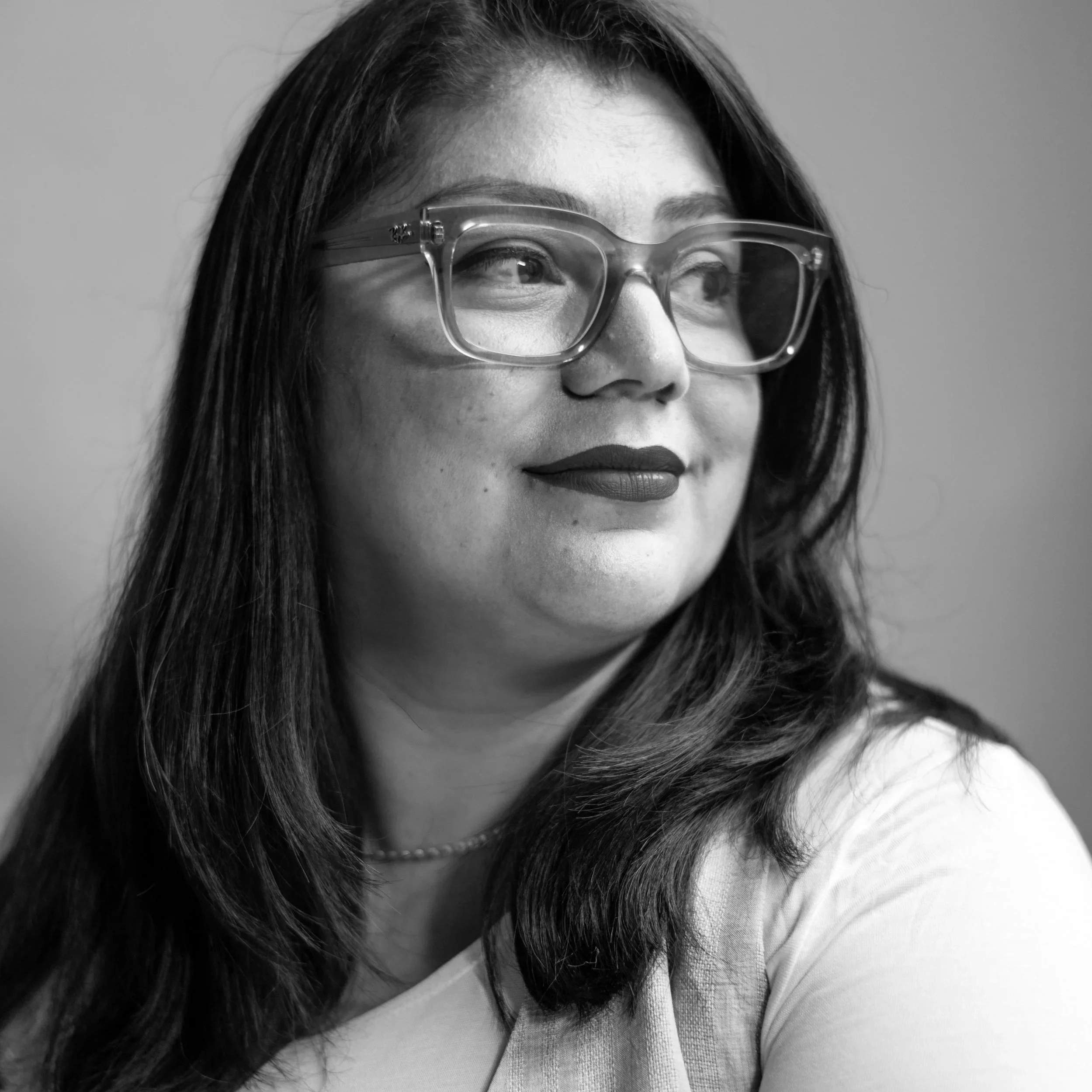
I wanted to become the piece that I felt was missing for me when I was younger. I didn’t always have teachers who believed in me or extended themselves when I was struggling. Now I get to provide that for students. Even when they’re going through challenges, I can be someone who shows up for them and believes in them.
-
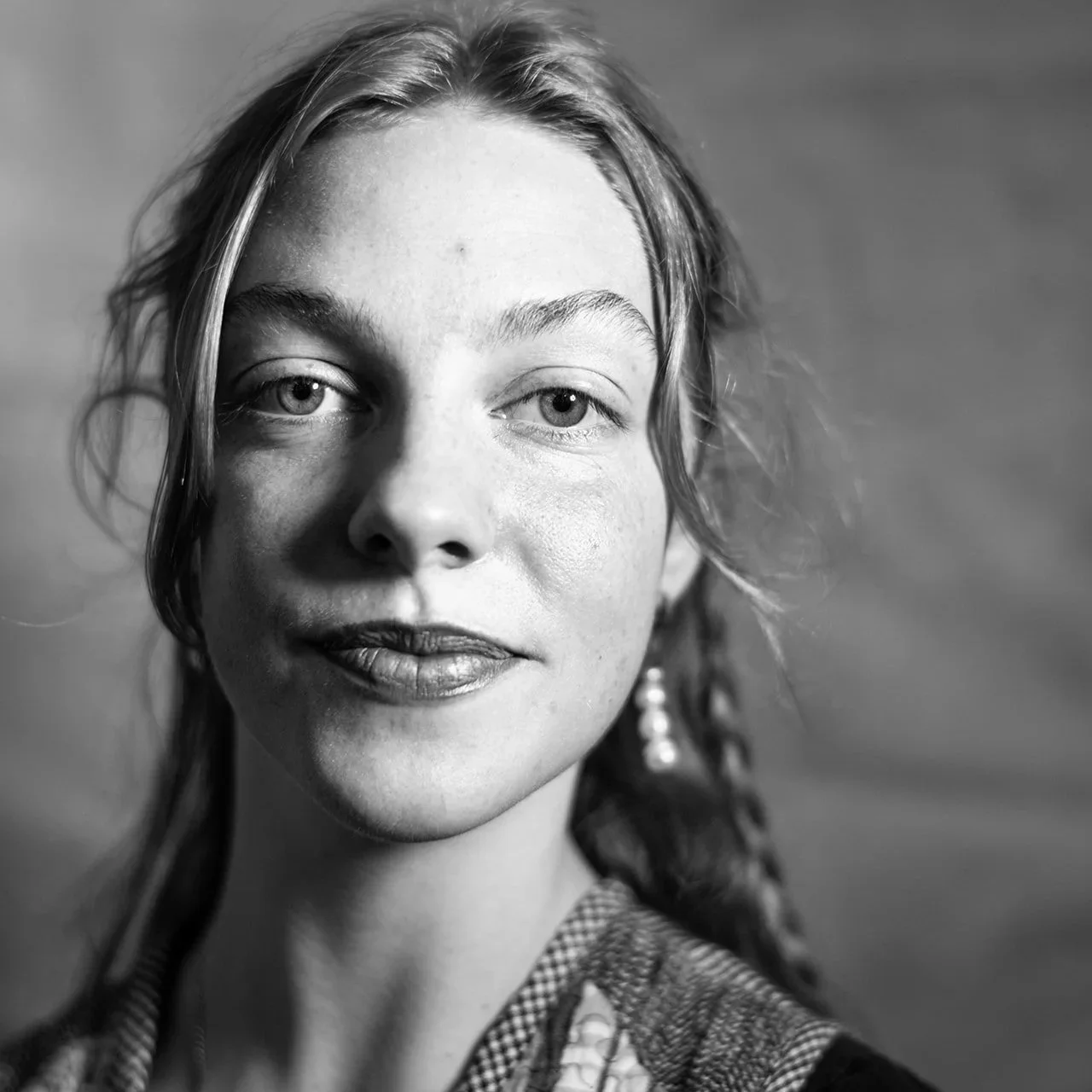
Working with young people brings joy. You give back to the community. I work in Oakland. I've seen kids from Kinder all the way to high school going into college, bumping into them later and seeing what they’re doing reminds me I’m making a difference—even if I only see them a few hours a day. But for them to set themselves up for success and be able to navigate the systems is what brings me joy and purpose.
-
I knew I would care about them, but I thought I would just leave when I clocked out... I think about my students constantly; it's not really something that I just shuts off when I leave.
-
Speaking with staff who have been here 20 plus years and staff who have been here for a few months, you see a lot of similarities between them. They care about the students. They care about the communities because for the most part, they're in communities that they themselves grew up in. And they want to see how it can help them get to the next level, either using the experience that they have to become teachers or move into doing mental health for the kids. Just about everyone in the expanded workforce field has that desire to help and the desire to be somebody for students.
-
I thought, 'What am I doing working at a coffee shop with angry people, making their coffee? I need to be inspired.' I always loved giving to the community and I felt I wasn't doing that there. At the coffee shop, I was there to give people a smile in the morning, but here, I'm here to give kids a smile for the rest of their lives. It's a great cycle—I inspire them, and they inspire me.
-
And so it's like, hey, legislator, you love economic development? You may also like afterschool programs...and did you know that all the staff members are buying food every day from local restaurants and gas at the local gas station, they are paying rent, and they're pursuing careers? Legislators can help them have paying jobs and buy houses one day and...all of it.
-
My students bring me joy. It doesn't take much. They can just walk up to me and give me a hug. I'm not looking for anything, and it's just those small little moments that let me know I'm doing the right thing, that I'm on the right path. I am where I'm supposed to be.
-
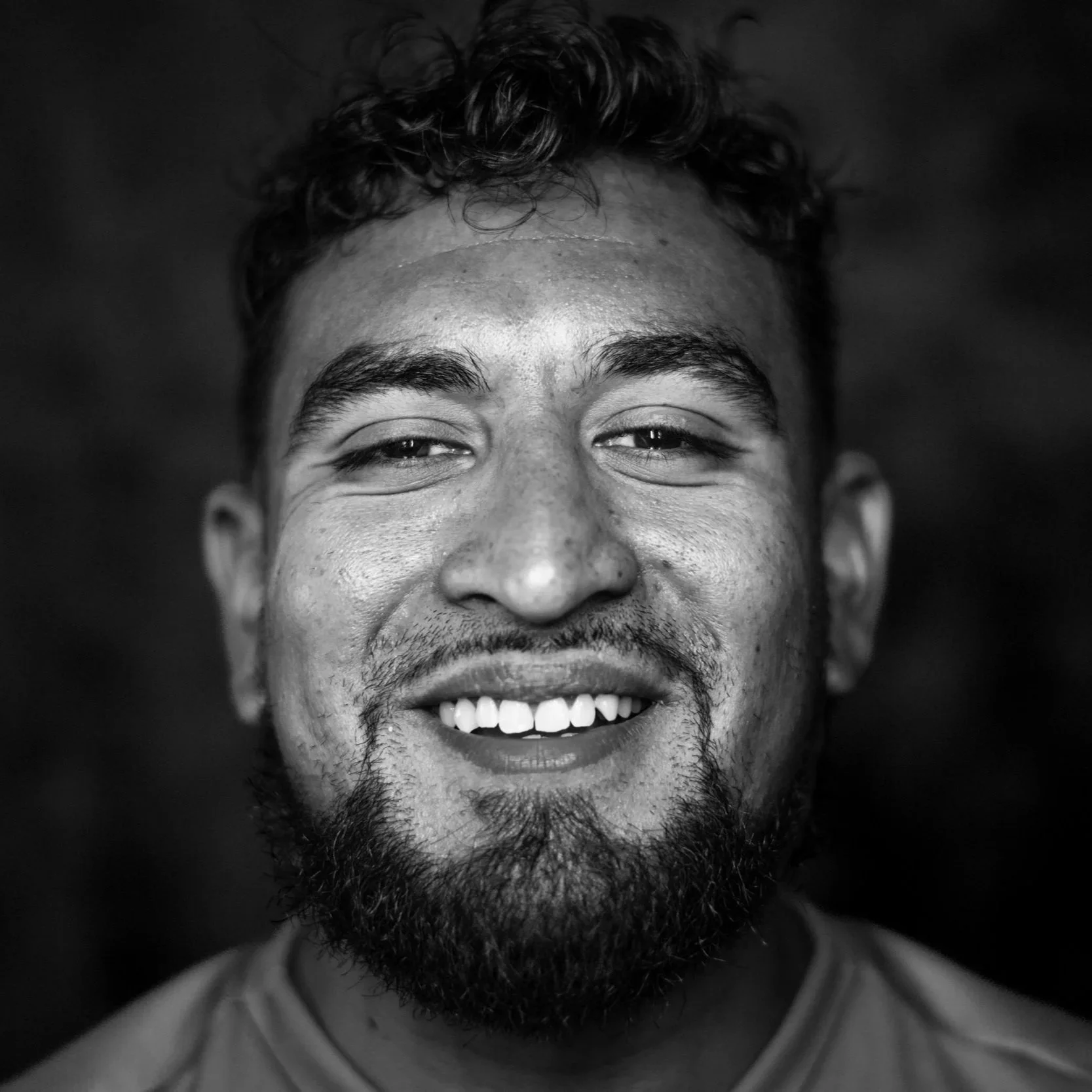
For me, it's being that kid that needed that extra support, and also being that kid that loves soccer and wanted to play competitively but knew that that was a burden on my parents. When I got into playing competitive, I would get emails like, "You can't practice because your parents are behind on payments." Since I was the translator, I had to translate that. I would build resentment, not understanding there was so much more going on. So that for me is like, okay, I get to provide a space for kids to play free soccer and those opportunities. It was a calling.
-
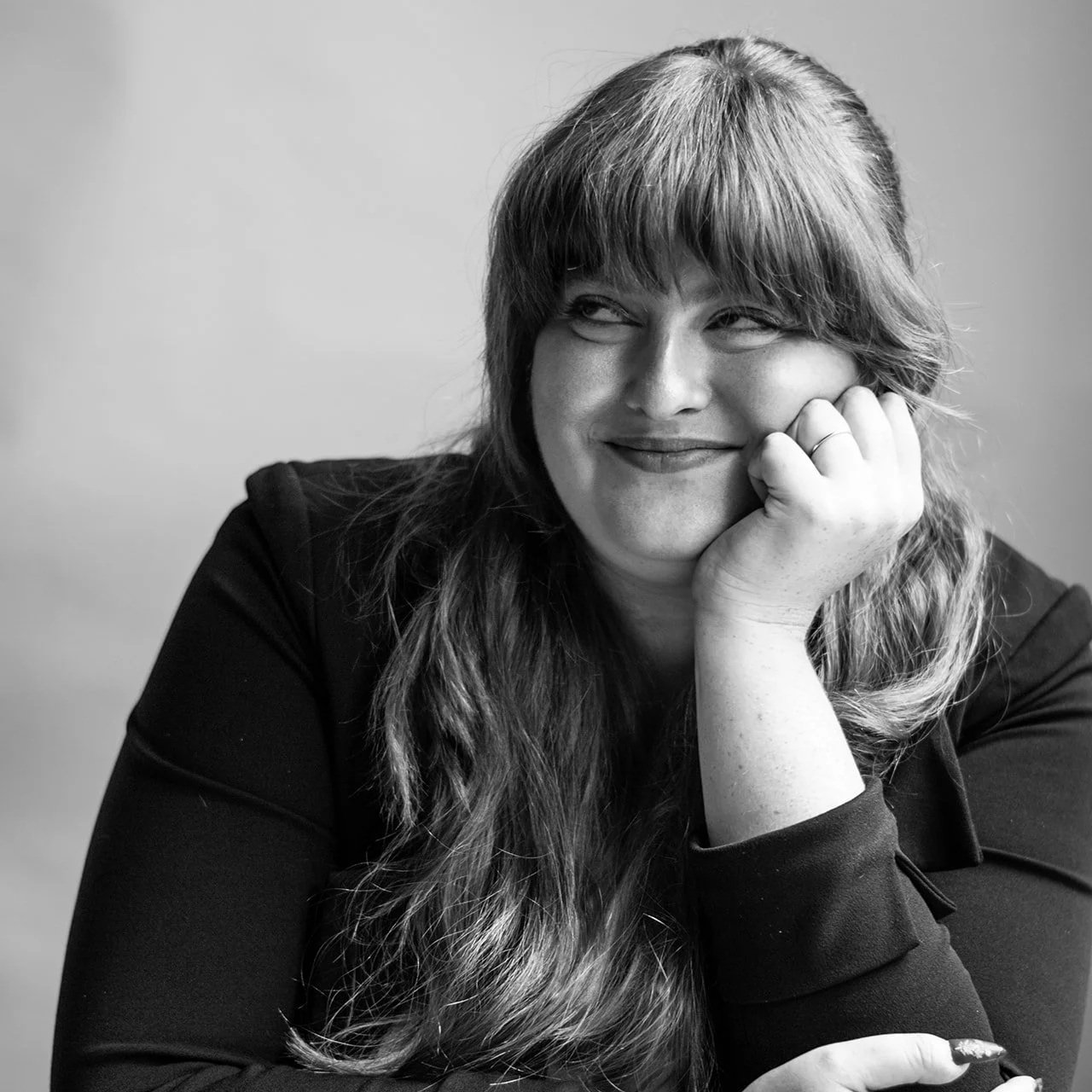
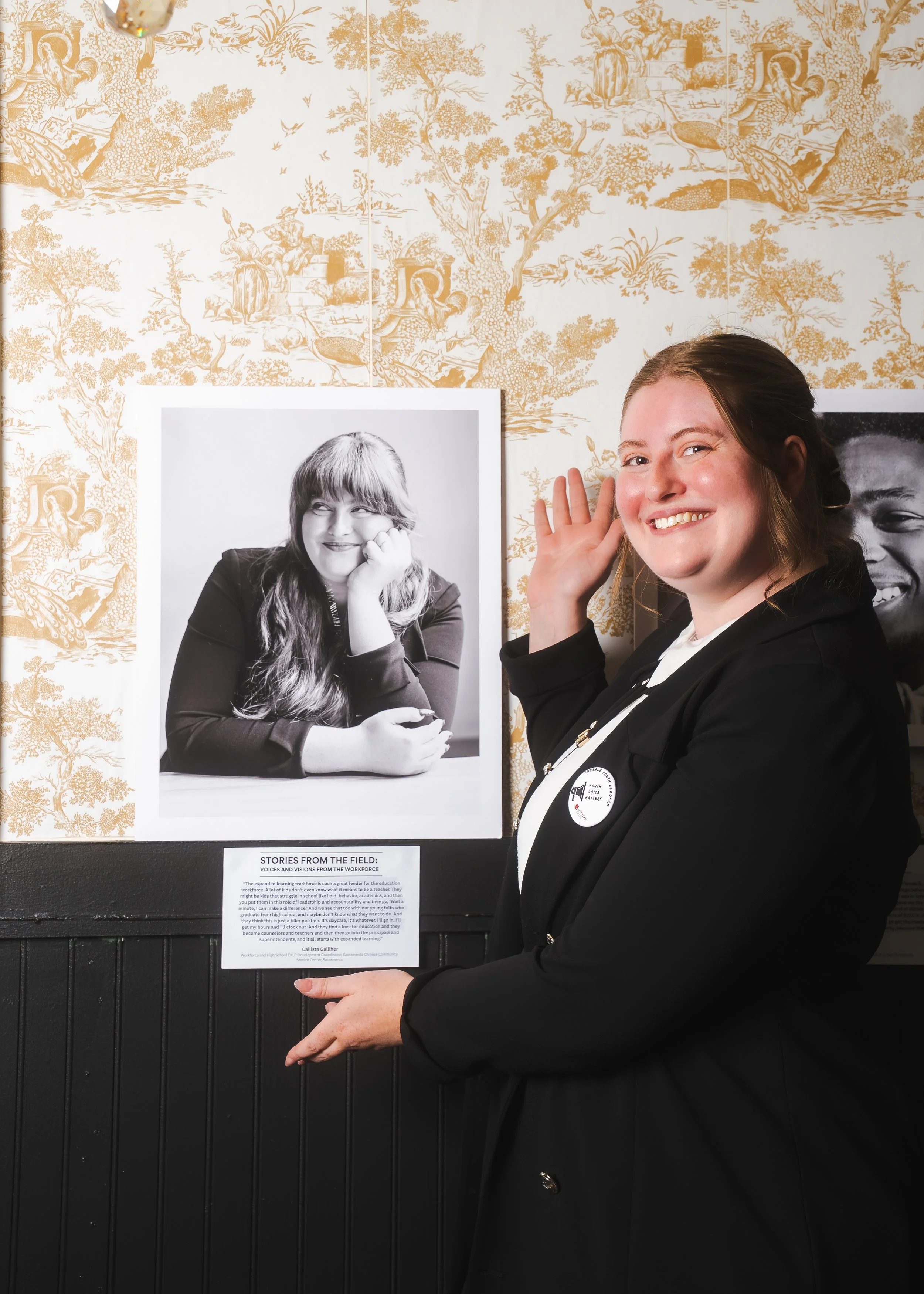
The expanded learning workforce is such a great feeder for the education workforce. A lot of kids don't even know what it means to be a teacher. They might be kids that struggle in school like I did, behavior, academics, and then you put them in this role of leadership and accountability and they go, "Wait a minute, I can make a difference." And we see that too with our young folks who graduate from high school and maybe don't know what they want to do. And they think this is just a filler position. It's daycare, it's whatever. I'll go in, I'll get my hours and I'll clock out. And they find a love for education and they become counselors and teachers and then they go into the principals and superintendents, and it all starts with expanded learning.
-
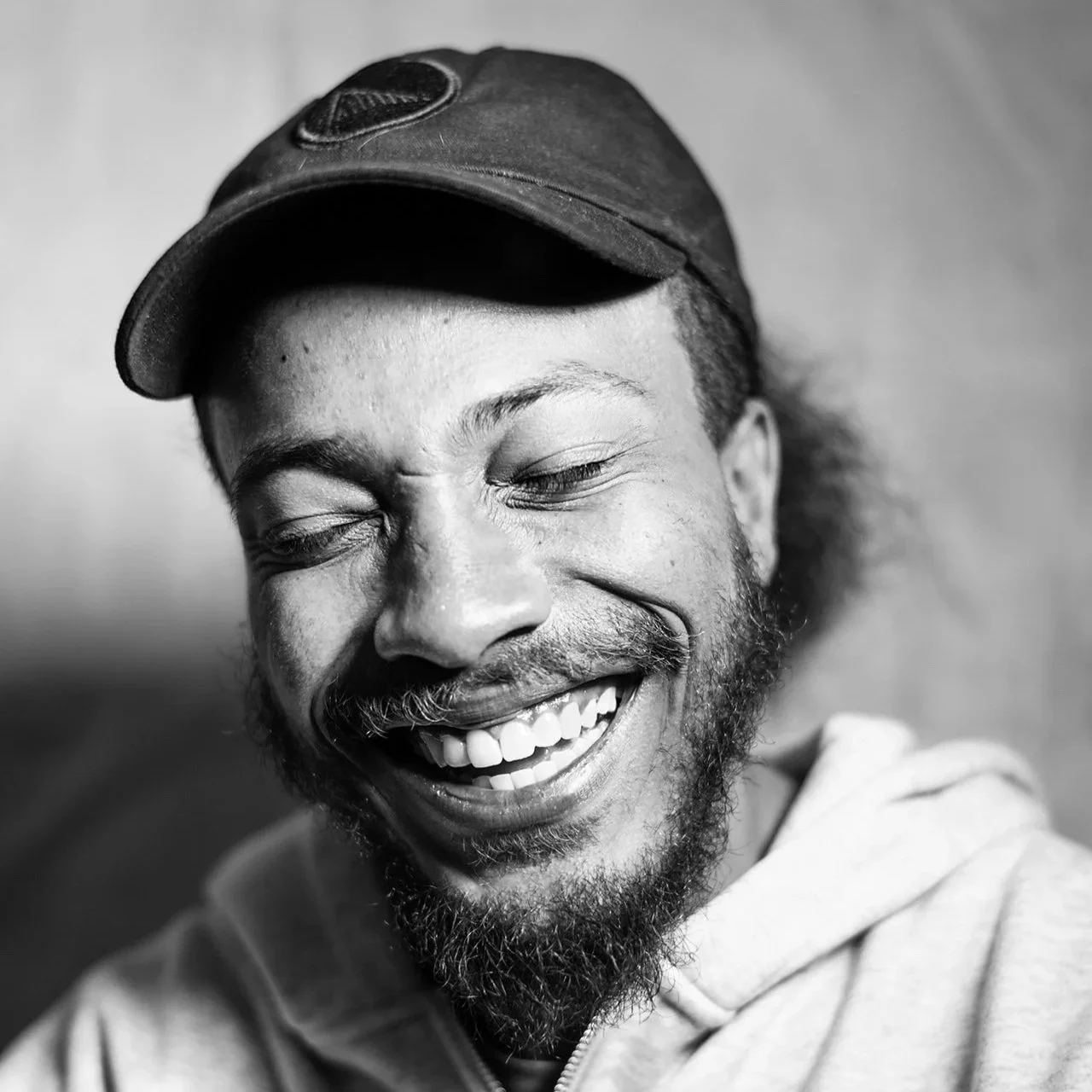
I’ve been around kids my whole life, and I’ve seen the difference between a child who feels like they can share their voice and one who feels like they can’t. Those are two very different children. That’s shaped my journey. I’ve always believed that no matter what you do with kids, what matters is doing it positively and creating space for them to be heard.
-
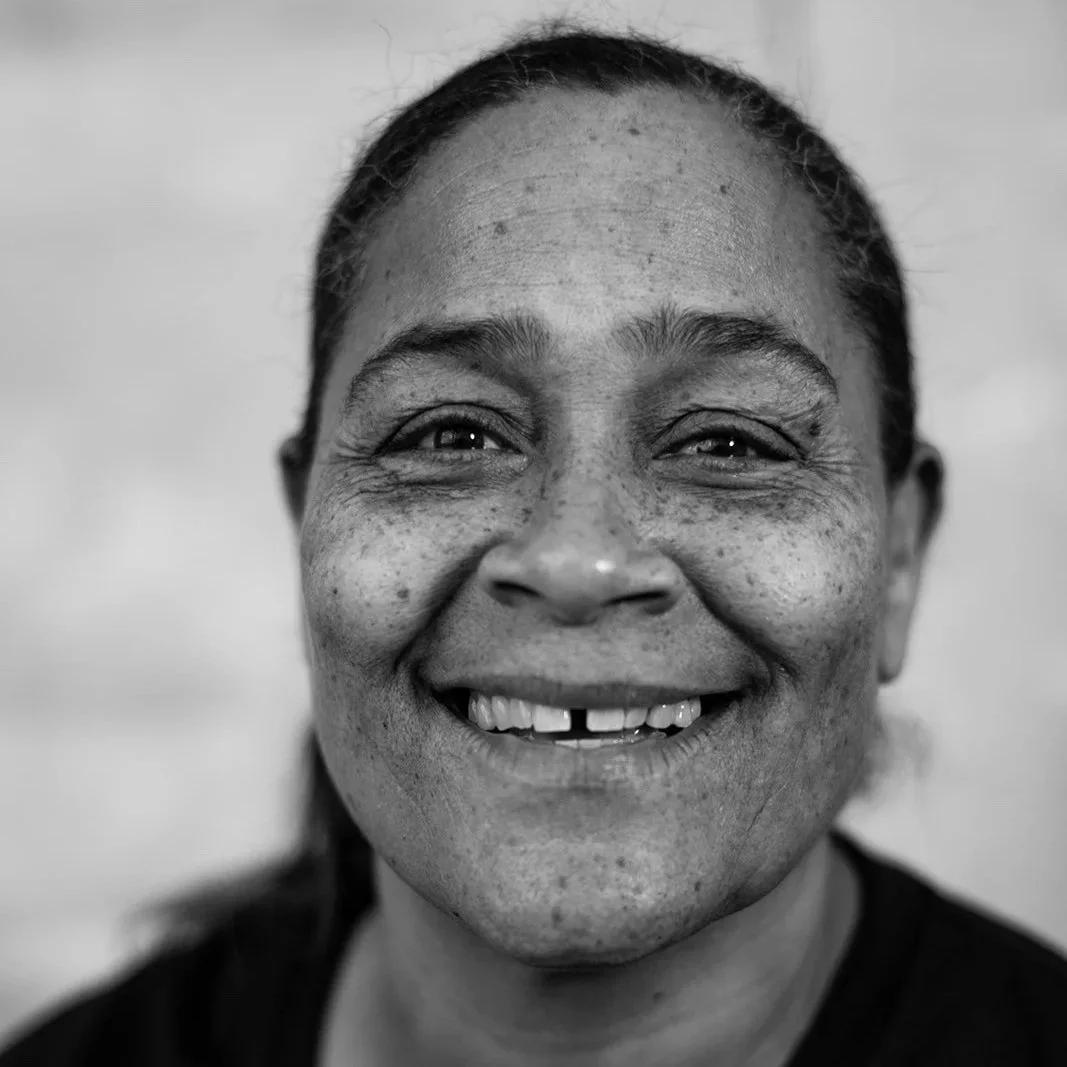
And there's no such thing as a bad child, and I am a big proponent of that. Do not call children "bad" in my presence because they're not bad. I don't want them to hear it because they might believe you, and then how do they change? So many young people come with this sort of idea that, well, "I was bad when I grew up." And I'm like, I'm sorry you heard that because that's not true.
-
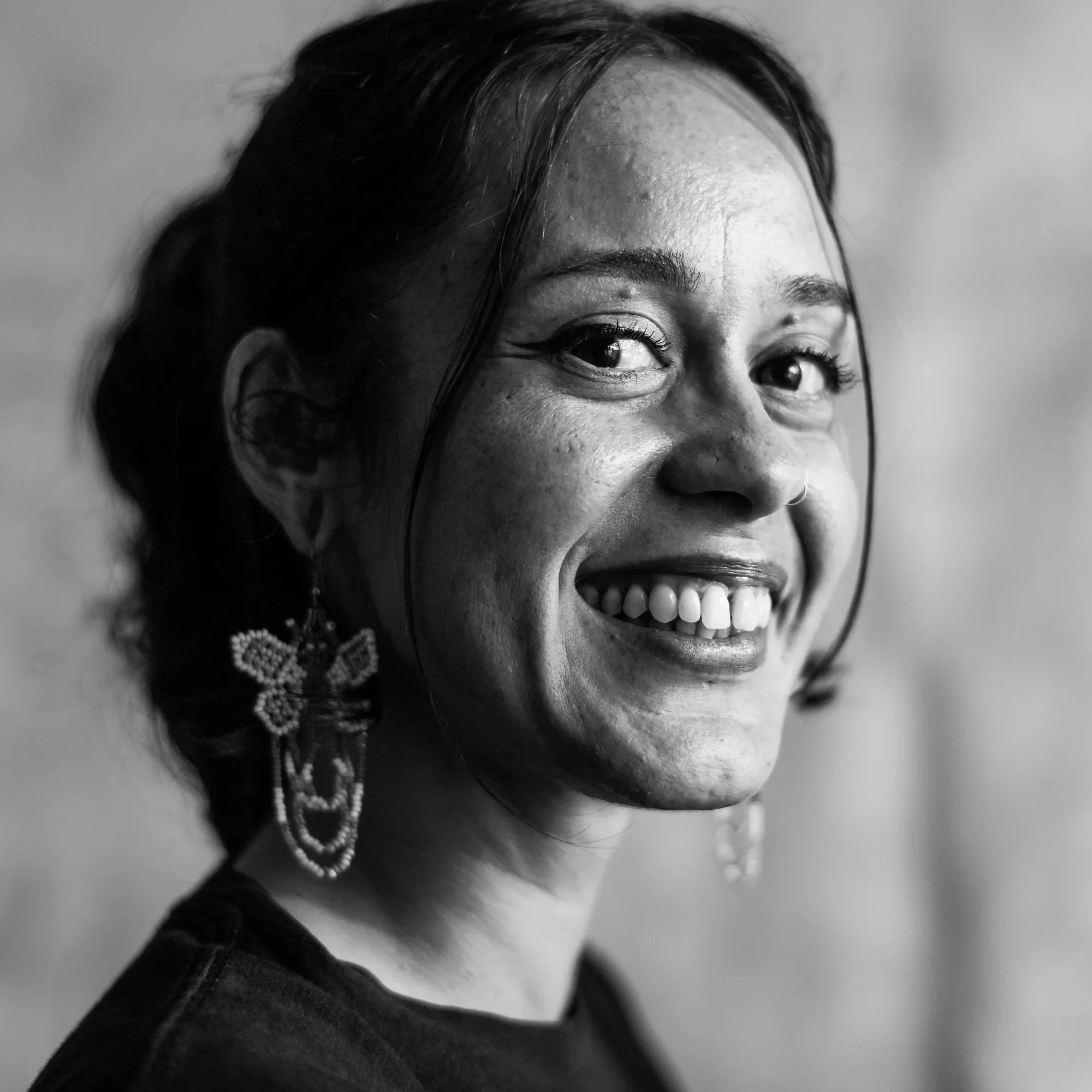
"I started community college at 18 and flunked out. It wasn’t the right time. I had to take a break and find my way back through child development and studio arts to realize my real passion was sharing the art-making process with kids."
-
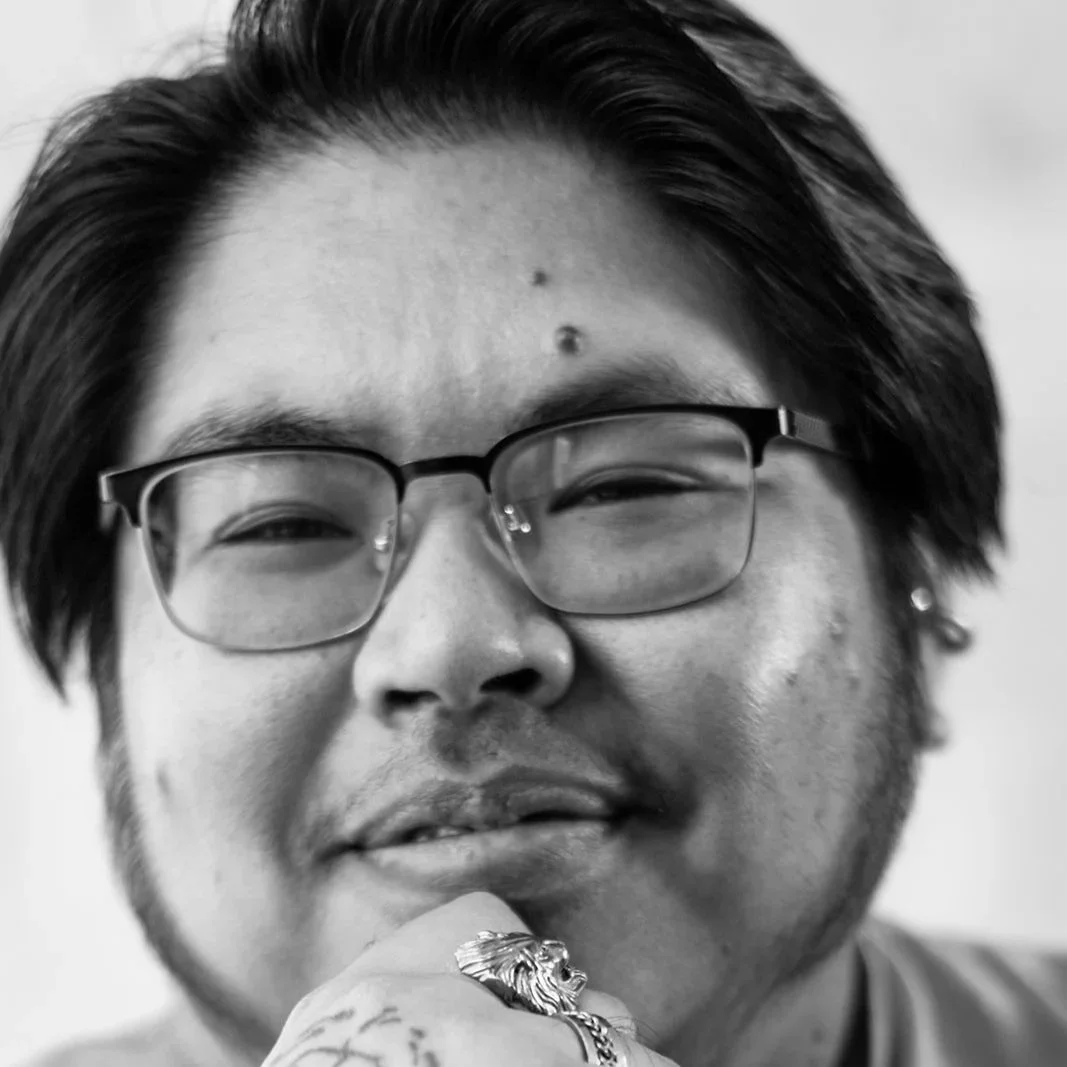
Education has always been important to me. I almost got my degree as a high school math teacher. And, you know, life happens. So I took a break and was like, I just need a job. And I ended up working for a different organization, doing expanded learning. And it was just to have a paycheck. And then I fell in love with it. That was back in 2017 and I have not left since.
-
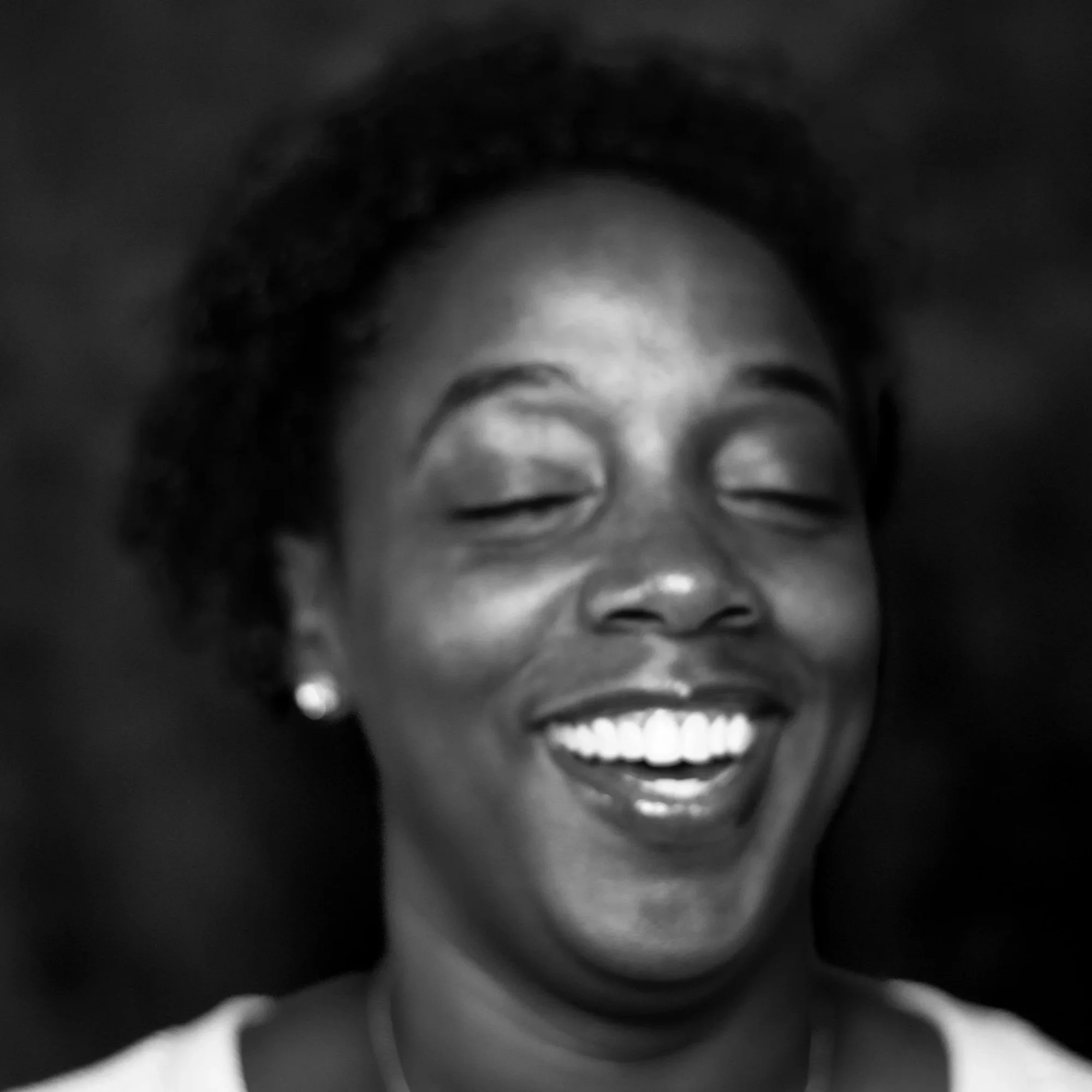
I would tell my younger self to be confident. You might not know exactly where you’re going, but trust your decisions. I never imagined I’d be leading people as a shy, introverted person, but I kept moving forward despite the fear. That confidence helped me embrace the journey and led me to work that feels impactful.
About the Artist
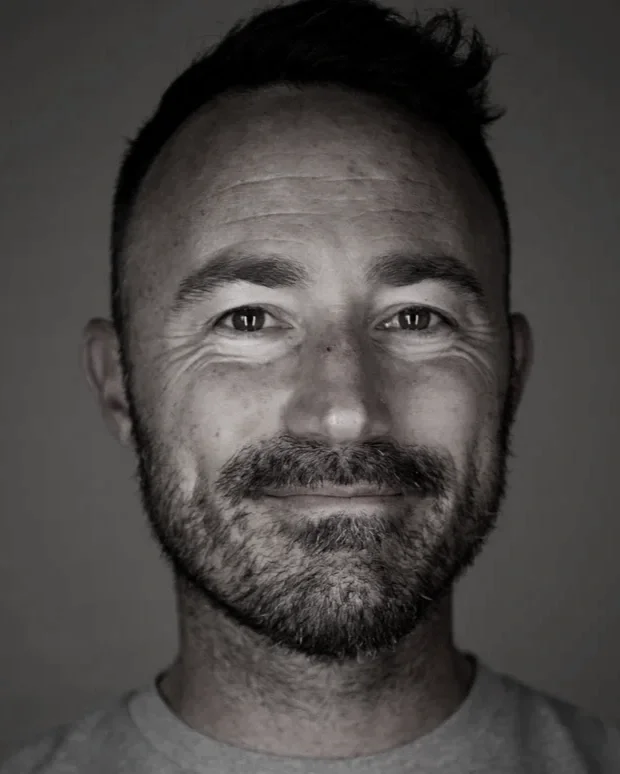
Mike Taylor is a Bay Area educator of 21 years with a focus on finding ways to create equitable and meaningful systems in his community. Mike’s experience for the last three years has been Expanded Learning. He loves it. He also loves to make pictures and chat with folks. When he’s not doing that, he’s probably playing Lego with his kids.
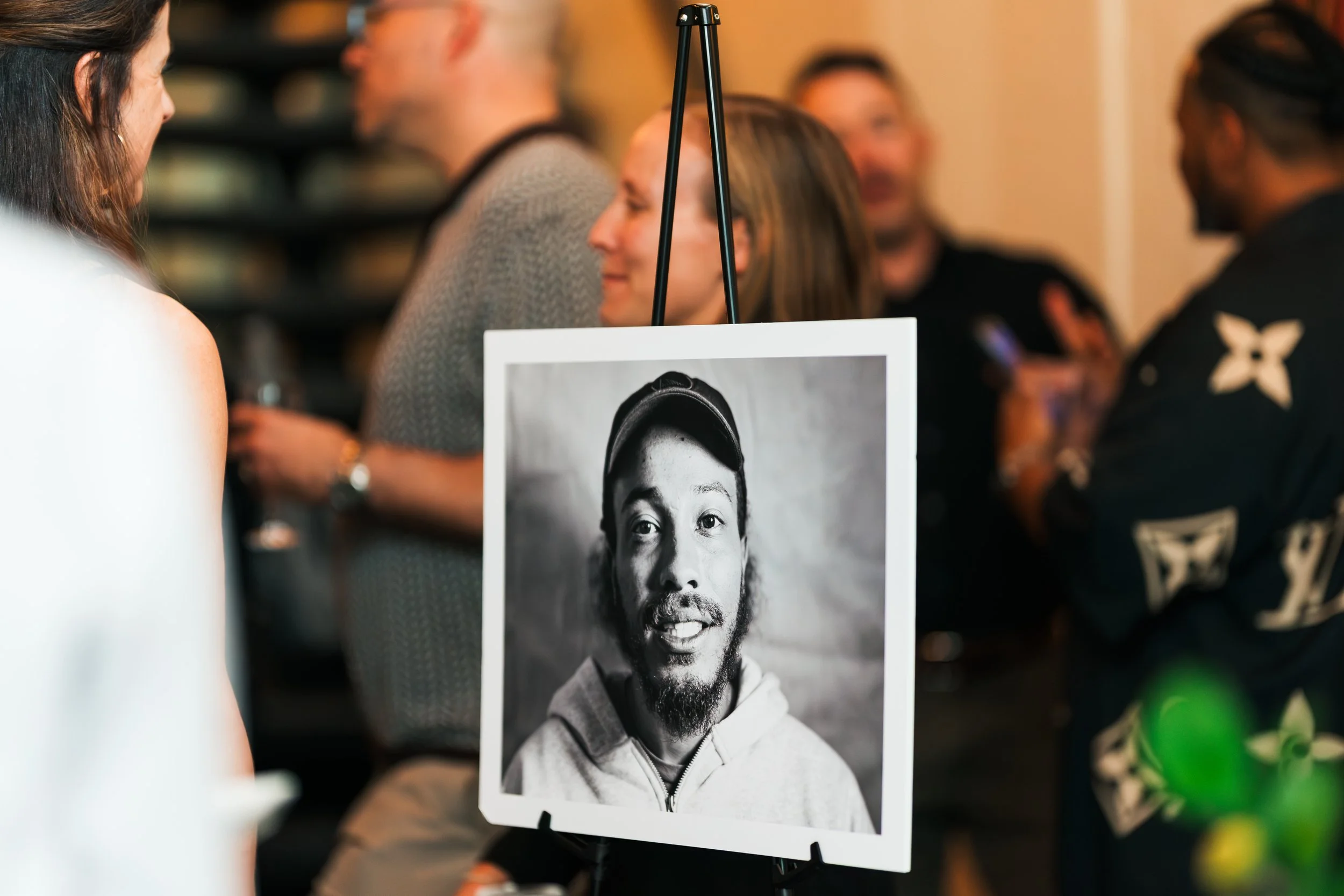
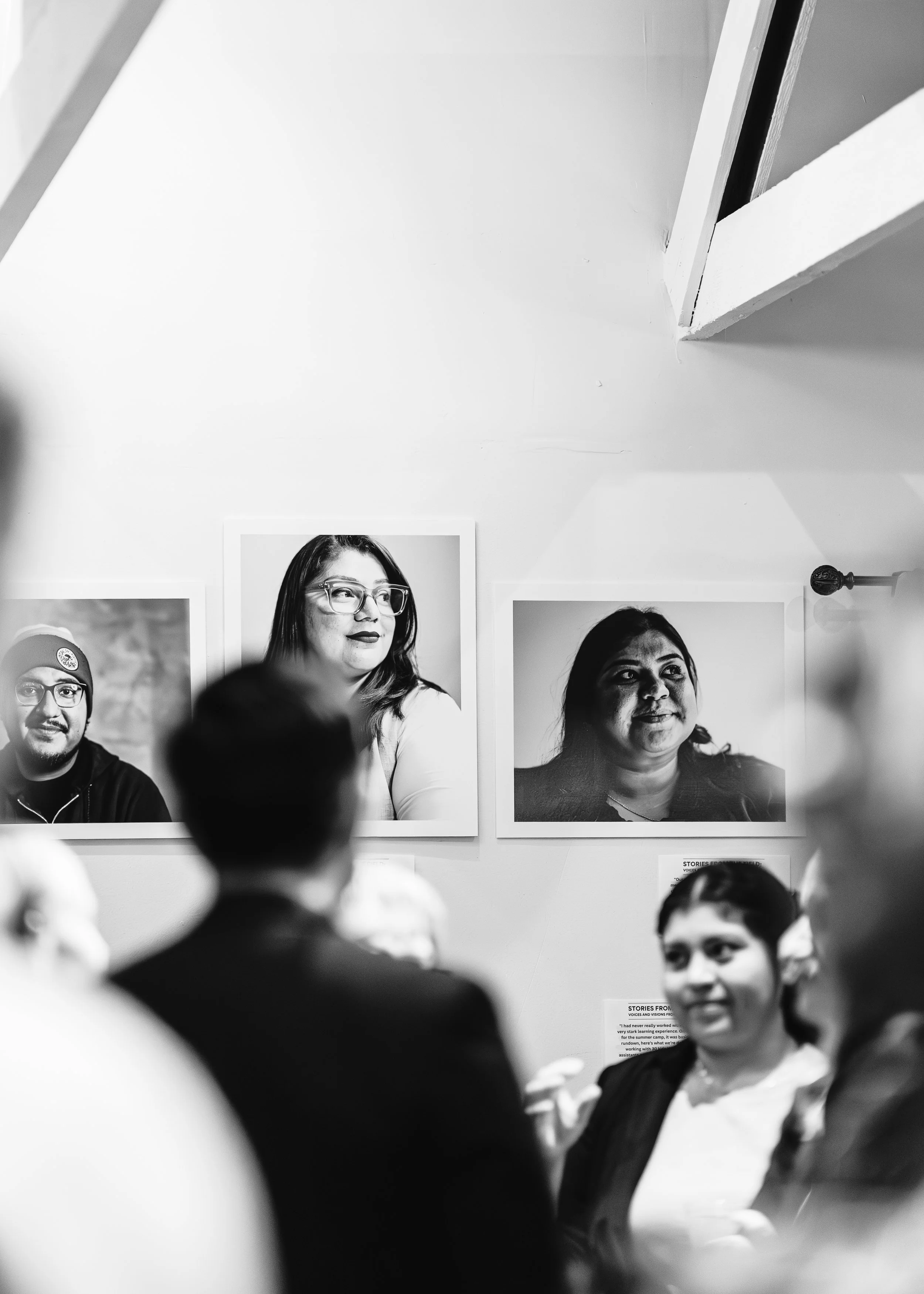
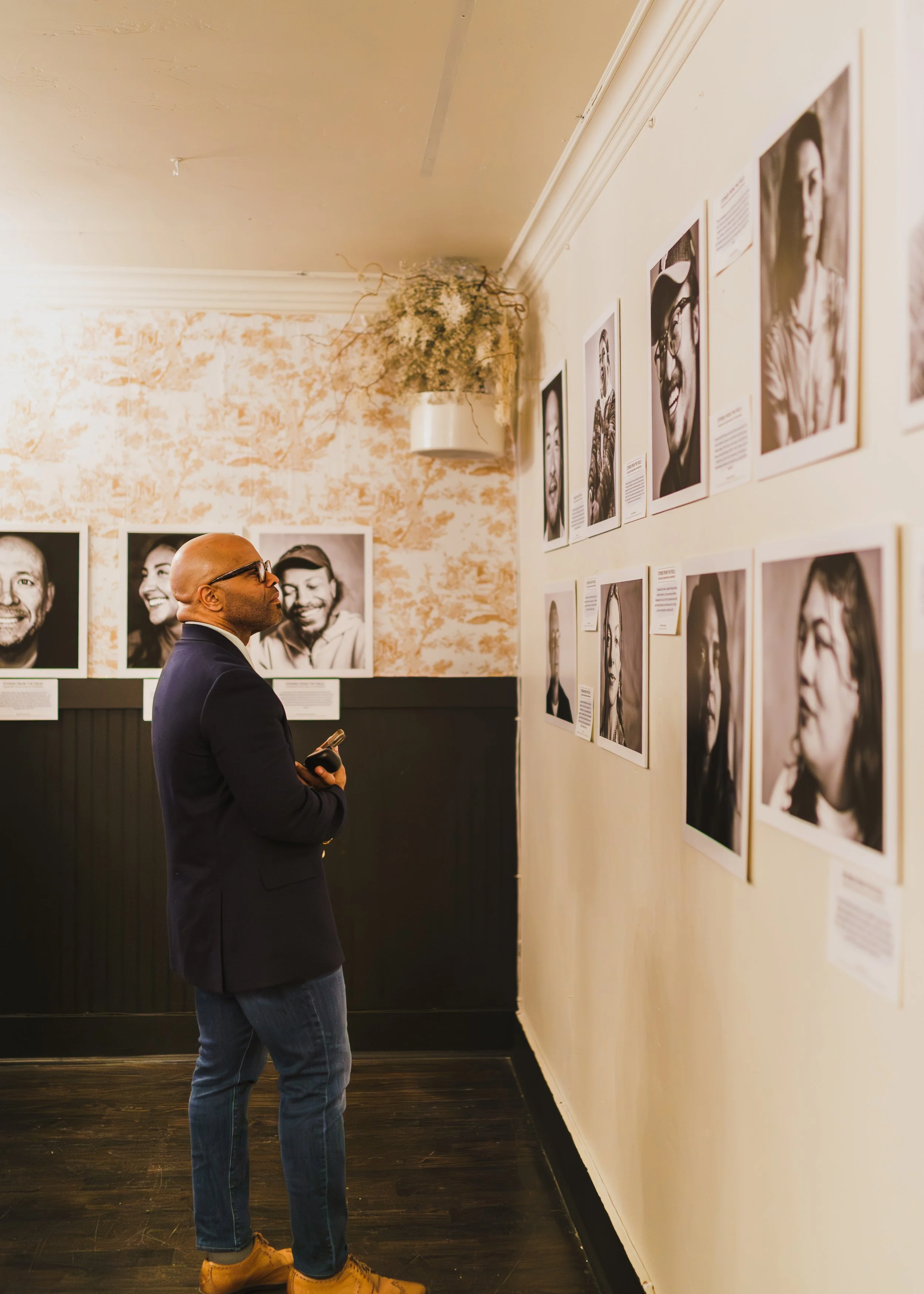
First Gallery Showing: CA3 Mixer at the Afterschool & Summer Challenge 2026
March 23, 2026 | Chariot Event Venue - Sacramento, CA
Share Your Story
We want to collect more stories so that the strength and diversity of the expanded learning workforce are truly represented. Please complete the short form below if you are interested in contributing to Stories from the Field!
Please contact Maria Ramirez, Sr. Program Manager, to learn more about the project and/or partner with us!